

Een opgeblazen gevoel is iets wat de meesten van ons wel eens hebben — en het is zelden prettig. Na bepaalde maaltijden, vult de buik zich met opgesloten gas, wat dat bekende gevoel van opgeblazenheid, zwaarte, en ongemak veroorzaakt. Een opgeblazen gevoel is niet alleen maar vervelend: wanneer het vaak voorkomt, kan het erop wijzen dat het spijsverteringsstelsel niet zo efficiënt werkt als het zou moeten. Fermentatie van onverteerd voedsel in de darmen, een vertraagde darmmotiliteit, onevenwichtigheden in het darmmicrobioom en een te zittende levensstijl kunnen hier allemaal aan bijdragen. Het goede nieuws is dat verschillende bekende kruiden en natuurlijke stoffen de spijsverteringsprocessen op een zinvolle manier kunnen ondersteunen, waardoor gasophoping in de eerste plaats wordt voorkomen.
Wat veroorzaakt een opgeblazen gevoel eigenlijk?
Gas in het spijsverteringskanaal heeft twee belangrijke oorzaken: ingeslikte lucht, en gas dat wordt geproduceerd tijdens de fermentatie van onverteerd voedsel door darmbacteriën. Wanneer de spijsvertering traag verloopt — of dit nu komt door onvoldoende spijsverteringsenzymen, een slechte galstroom, verminderde darmmotiliteit, of een onevenwichtig microbioom — hopen onverteerde voedselresten zich op in de darmen en gisten, waarbij waterstof, methaan, en kooldioxide worden geproduceerd. Het resultaat is een opgeblazen gevoel dat urenlang kan aanhouden. Eetgewoonten spelen een belangrijke rol: te snel eten, grote porties vet of sterk bewerkt voedsel, onvoldoende kauwen en een dieet met weinig diverse plantaardige vezels dragen hier allemaal aan bij. Een zittende levensstijl vermindert de darmmotiliteit nog verder, waardoor het probleem vaker terugkomt.
Pepermunt – Het krampstillende middel dat een opgeblazen buik kalmeert
Pepermunt (Mentha piperita) is een van de meest onderzochte natuurlijke remedies tegen een opgeblazen gevoel en winderigheid. De etherische olie bevat menthol, flavonoïden, rutine, tannines, en vitamine A en C — een combinatie die het krachtige krampstillende, windafdrijvende (, gas-verlichtende), en spijsvertering-stimulerende eigenschappen. Menthol ontspant de gladde spieren van het maag-darmkanaal, wat helpt om opgesloten gas door te laten stromen en uit te drijven in plaats van dat het zich ophoopt en druk veroorzaakt. Pepermunt versnelt ook de maaglediging — de snelheid waarmee de maag voedsel doorgeeft aan de darm — wat betekent dat voedsel minder tijd doorbrengt met gisten in de darmen. Het drinken van pepermuntthee of het innemen van een pepermunt-supplement direct na een zware of vette maaltijd is een van de meest effectieve directe maatregelen om een opgeblazen gevoel na de maaltijd te voorkomen. Het ondersteunt ook de lever- en maagfunctie in bredere zin, waardoor het nuttig is bij terugkerende buikklachten.
Chanca Piedra – Een Peruaans kruid voor een efficiënte spijsvertering
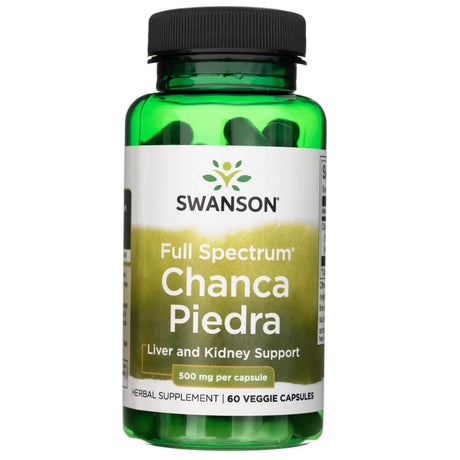
Chanca piedra (Phyllanthus niruri) is een kruid dat inheems is in Peru en andere tropische regio's, waar het al generaties lang in de traditionele volksgeneeskunde wordt gebruikt. De naam betekent ruwweg 'steenbreker' — een verwijzing naar het historische gebruik bij de behandeling van nier- en galstenen — maar de toepassingen voor de spijsvertering zijn even waardevol. Chanca piedra ondersteunt de efficiënte werking van de lever, de alvleesklier, en de galblaas, drie organen die een centrale rol spelen bij de spijsvertering. Door de galafscheiding te verbeteren en de algehele leverfunctie te ondersteunen, kan het helpen de stofwisseling te versnellen en de gistingsprocessen te verminderen die een opgeblazen gevoel veroorzaken. Een thee of aftreksel van chanca piedra wordt traditioneel gebruikt bij indigestie en het zware gevoel na het eten. Het is nu ook verkrijgbaar in de vorm van gestandaardiseerde supplementen, waardoor een consistente dosering eenvoudig is.
Hier zijn enkele zorgvuldig geselecteerde supplementen ter ondersteuning van een gezonde spijsvertering en ter verlichting van een opgeblazen gevoel:


 6% korting
Swanson
Swanson Volledig Spectrum Chanca Piedra 500 mg - 60 plantaardige capsules
Verkoopprijs €8.58 Reguliere prijs €9.09Eenheid prijs€0.14 per stuk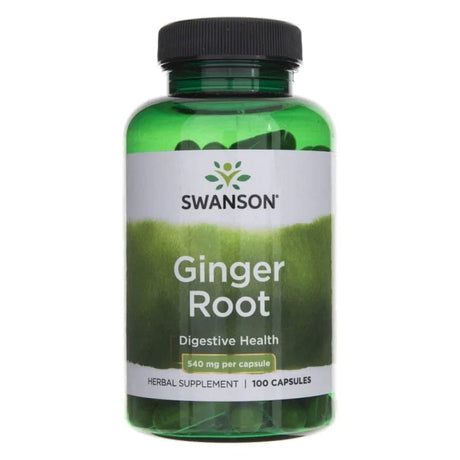


Swanson
Swanson Gemberwortel 540 mg - 100 Capsules
Reguliere prijs €6.09Eenheid prijs€0.06 per stuk


Aliness
Aliness Enzym Complex PRO - 90 plantaardige capsules
Reguliere prijs €11.59Eenheid prijs€0.13 per stuk
Doctor's Best
Doctor's Best SpijsverteringsEnzymn - 90 plantaardige capsules
Reguliere prijs €37.39Eenheid prijs€0.42 per stuk


Hepatica
Hepatica SpijsverteringsEnzymn Probioticuma - 180 Capsules
Reguliere prijs €10.09Eenheid prijs€0.06 per stuk


Aliness
Aliness Kokos Geactiveerde Houtskool - 100 plantaardige capsules
Reguliere prijs €9.19Eenheid prijs€0.09 per stuk


Swanson
Swanson Geactiveerde Houtskool 260 mg - 120 Capsules
Reguliere prijs €7.69Eenheid prijs€0.06 per stuk


Wilde tijm (Serpyllum) – Windafdrijvend en darmontspannend
Niet alle soorten tijm hebben dezelfde geneeskrachtige eigenschappen. In de kruidengeneeskunde, is het specifiek Thymus serpyllum — wilde of zandtijm — die wordt aanbevolen bij spijsverteringsklachten, omdat deze de hoogste concentratie aan werkzame stoffen bevat. De belangrijkste bestanddelen zijn carvacrol en thymol, twee fenolverbindingen met bewezen antimicrobiële, krampstillende, en windafdrijvende eigenschappen. Deze worden aangevuld met flavonoïden, geraniol, linalool, citral, en triterpenen, waardoor wilde tijm werkelijk rijk is aan bioactieve stoffen. Het werkt door de gladde spieren van het spijsverteringskanaal te ontspannen en de afscheiding van spijsverteringssappen te stimuleren — wat samen de darmmotiliteit verbetert en gisting vermindert. De windafdrijvende werking helpt opgehoopt gas efficiënter af te voeren, waardoor het opgeblazen gevoel en de volheid na zware maaltijden worden verminderd. Wilde tijm kan ook de lever ondersteunen en wordt gebruikt als traditioneel middel tegen verlies van eetlust, milde constipatie en diarree.
Actieve kool – Snelle gasadsorptie
Actieve kool is geen kruid, maar verdient vermelding als een van de meest effectieve, snelwerkende natuurlijke opties voor acute opgeblazenheid en winderigheid. Door de zeer poreuze structuur kan het gasmoleculen, toxines en andere stoffen in de darmen adsorberen en binden voordat ze in de bloedbaan worden opgenomen of verdere gisting veroorzaken. Van kokos afgeleide actieve kool is de zuiverste en best biologisch beschikbare vorm. Het is het nuttigst bij de eerste tekenen van aanzienlijke opgeblazenheid of na een maaltijd waarvan bekend is dat deze gas veroorzaakt, in plaats van als dagelijks supplement.
Spijsverteringsenzymen en probiotica – De oorzaak aanpakken
Terugkerende opgeblazenheid is vaak een teken van een onderliggende inefficiëntie in de productie van spijsverteringsenzymen of een verstoorde darmflora. Spijsverteringsenzymsupplementen — die protease, lipase, en amylase bevatten — helpen ervoor te zorgen dat eiwitten, vetten, en koolhydraten volledig worden afgebroken voordat ze de dikke darm bereiken, waardoor er minder resten overblijven voor fermentatie. Ze zijn met name nuttig voor mensen met een verminderde maagzuurproductie, mensen die grote hoeveelheden eiwit- of vetrijk voedsel eten, of iedereen die na de maaltijd regelmatig last heeft van een opgeblazen gevoel. Probiotica richten zich op de microbioomdimensie: de balans van bacteriesoorten in de darmen heeft direct invloed op de hoeveelheid gas die tijdens de fermentatie wordt geproduceerd. Stammen zoals Lactobacillus acidophilus, Bifidobacterium lactis, en Lactobacillus rhamnosus behoren tot de meest bestudeerde stammen voor een opgeblazen gevoel en IBS-achtige symptomen. De combinatie van enzymen en probiotica zorgt zowel voor onmiddellijke verlichting als voor een verbetering van de darmomgeving op de langere termijn.
Ontdek ons volledige assortiment probiotica, inclusief gerichte formules voor spijsverteringscomfort en ondersteuning bij IBS, in onze probiotica-collectie:


Aliness
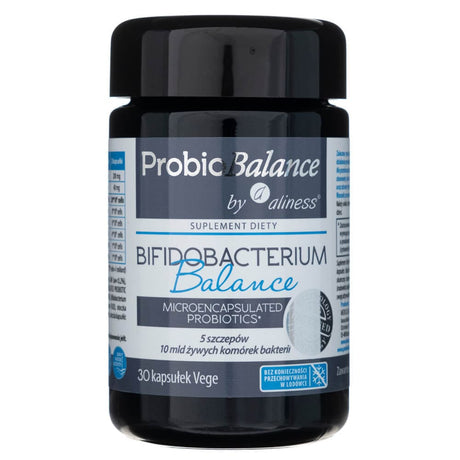
Aliness ProbioBalance Bifidobacterium Probioticuma - 30 plantaardige capsules
Reguliere prijs €9.69Eenheid prijs€0.32 per stuk


 16% korting
Aliness
Aliness ProbioBalance Starter Balance Probioticuma & Prebioticuma - 30 plantaardige capsules
Verkoopprijs €7.17 Reguliere prijs €8.49Eenheid prijs€0.24 per stuk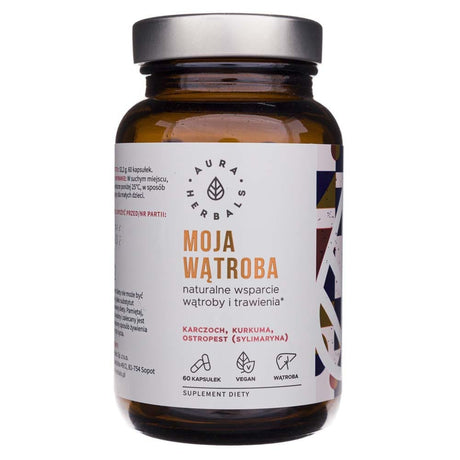


Aura Herbals
Aura Herbals Leverondersteuning - 60 capsules
Reguliere prijs €10.89Eenheid prijs€0.18 per stuk


 25% korting
Bilovit
Bilovit Etherische Venkelolie - 10 ml
Verkoopprijs €2.39 Reguliere prijs €3.19Eenheid prijs€2.39 /10ml


De oorzaak van terugkerende een opgeblazen gevoel achterhalen
Af en toe een opgeblazen gevoel na een bijzonder zware maaltijd is normaal en te verhelpen met eenvoudige middelen zoals pepermuntthee of een korte wandeling. Wanneer een opgeblazen gevoel vaak voorkomt, aanhoudend is, of gepaard gaat met andere symptomen — pijn, onregelmatige stoelgang, onverklaarbaar gewichtsverlies — is het raadzaam om met een zorgverlener te praten om onderliggende aandoeningen uit te sluiten. Voor de meeste mensen, is echter, een combinatie van aanpassingen in het voedingspatroon (meer gevarieerde plantaardige vezels, langzamer eten, minder-verwerkt voedsel), betere hydratatie, regelmatige lichaamsbeweging, en gerichte suppletie is Enough om de frequentie van een opgeblazen gevoel aanzienlijk te verminderen. Bezoek voor een ruimere selectie van producten ter ondersteuning van de darmgezondheid, onze collectie voor het spijsverteringsstelsel.
Dit artikel is uitsluitend informatief en vervangt geen medisch advies. Heb je gezondheidsklachten, ben je zwanger, geef je borstvoeding of gebruik je medicijnen, raadpleeg dan een arts of apotheker. Voedingssupplementen zijn geen vervanging voor een gevarieerd voedingspatroon.


