

Notenpasta – dat bescheiden potje met gemalen noten dat in je keukenkastje staat – heeft een reputatieprobleem. Critici wijzen op het hoge calorie- en vetgehalte; voorstanders noemen het een van de meest voedzame voedingsmiddelen die je kunt eten. Zoals vaak het geval is bij voeding, hebben beide partijen een punt. Begrijpen wat notenpasta eigenlijk bevat, en hoe je het verstandig kunt kiezen en gebruiken, maakt het verschil tussen een ongezonde gewoonte en een echt slimme toevoeging aan je dieet.
Wat zit er eigenlijk in notenpasta?
In wezen, is notenpasta gewoon gemalen noten — en noten behoren tot de meest voedzame voedingsmiddelen in het plantenrijk. Een notenpasta van goede kwaliteit levert plantaardige eiwitten, waardoor het bijzonder waardevol is voor veganisten en vegetariërs die betrouwbare niet-dierlijke eiwitbronnen nodig hebben. Naast eiwitten, bevat notenpasta essentiële UNS verzadigde vetzuren — waaronder omega-3, omega-6 en omega-9 — die een gezonde hersenfunctie ondersteunen, helpen bij het reguleren van het cholesterolgehalte, de bloeddruk verlagen en fungeren als natuurlijke antioxidanten. Naast vetten en eiwitten bevat het ook voedingsvezels, vitamine E, foliumzuur, magnesium en kalium. Foliumzuur ondersteunt het zenuwstelsel en het spijsverteringsstelsel; magnesium en kalium zijn essentieel voor mensen die onder fysieke of mentale stress staan. Vitamine E, een krachtige antioxidant, helpt cellen te beschermen tegen oxidatieve schade en draagt bij aan een gezonde huid. Het caloriegehalte is hoog, ja — maar dit zijn calorieën die gepaard gaan met echte voedingswaarde.
Welke notenpasta is het gezondst?
Niet alle notenpasta's zijn gelijk. Standaard pindakaas is het meest verkrijgbaar, maar qua voedingswaarde is het de zwakste van het stel — de verhouding tussen omega-3 en omega-6 is ongunstig, en pinda-eiwitten behoren tot de meest voorkomende allergenen. Als je de keuze hebt, zijn deze alternatieven het overwegen waard:
- Amandelpasta — rijk aan calcium, eiwitten, en arginine, wat de spierprestaties kan ondersteunen
- Cashewboter — rijk aan ijzer, koper, zink, en magnesium
- Hazelnootpasta — uitstekende bron van vitamine E en B3
- Walnootpasta — de beste verhouding omega-3 tot omega-6 van alle notenpasta's
- Paranotenpasta — uitzonderlijk rijk aan magnesium en selenium
Welke variant je ook kiest, de belangrijkste factor na de noot zelf is de ingrediëntenlijst. De gezondste notenpasta's bevatten niets anders dan noten — geen toegevoegde suiker, geen zout, geen glucose-fructosestroop, geen palmolie. Hoe korter de ingrediëntenlijst, hoe beter.


 6% korting
Alpi Hummus
Alpi Basia Basia Peanut Butter Crunch - 210 g
Verkoopprijs €3.48 Reguliere prijs €3.69Eenheid prijs€1.66 /100g


Wie heeft het meeste baat bij notenpasta?
Notenpasta is een veelzijdig voedingsmiddel dat past bij een breed scala aan voedingsbehoeften en levensstijlen. Veganisten en vegetariërs zijn de meest voor de hand liggende begunstigden — notenpasta is een van de gemakkelijkste manieren om de inname van plantaardige eiwitten te verhogen zonder supplementen. Atleten en actieve mensen profiteren van de langdurige energieafgifte en de vetzuren die de hersenen ondersteunen, die bijdragen aan concentratie en geheugen tijdens training en wedstrijden. Voor kinderen en studenten, biedt de combinatie van eiwitten, gezonde vetten, en B-vitamines zinvolle cognitieve ondersteuning.
Misschien verrassend genoeg, past notenboter ook in een aanpak voor gewichtsbeheersing. De UNS verzadigde vetten ondersteunen een gezonde spijsvertering, en de combinatie van eiwitten en vezels bevordert het verzadigingsgevoel — wat betekent dat een of twee eetlepels bij het ontbijt de drang om later op de dag te snacken kan verminderen. De sleutel, is, zoals altijd, bewustzijn van de portiegrootte, gezien de caloriedichtheid.
Hoe u notenpasta in uw dieet kunt gebruiken
De meest voor de hand liggende toepassing is als smeersel op brood, crackers, of rijstwafels — maar notenpasta is veel meer dan alleen ontbijt. Het mengt zich naadloos in smoothies en proteïneshakes, en voegt romigheid en voedingswaarde toe. Bij het koken, werkt het als basis voor marinades, satésausjes, en saladedressings. Hartige cashewboter past goed bij gekruide gerechten; amandelboter is geschikt voor zowel zoete gebakjes als als topping voor fruit. De veelzijdigheid wordt echt onderschat.
Notenpasta aanvullen met gerichte supplementen
Hoewel notenpasta qua voedingswaarde indrukwekkend is, zijn er wel tekortkomingen. Het omega-3-gehalte in de meeste notenpasta's — zelfs walnotenpasta — is bescheiden in vergelijking met wat visolie biedt, en de vorm (ALA in plaats van EPA/DHA) wordt minder gemakkelijk door het lichaam gebruikt. Als de gezondheid van hart en bloedvaten en de hersenen prioriteit hebben, is het vanuit voedingsoogpunt zeer zinvol om uw notenpasta-gewoonte te combineren met een hoogwaardig omega-3-supplement.
Evenzo, dragen noten bij aan de inname van vitamine E en magnesium-niveaus, Het kan een uitdaging zijn om via voeding alleen de optimale hoeveelheden te bereiken — met name voor sporters met hogere behoeften of oudere volwassenen met een verminderde opname. Een gericht supplement kan helpen om die kloof op betrouwbare wijze te overbruggen. Veganisten en vegetariërs die sterk afhankelijk zijn van plantaardige eiwitbronnen zoals notenboter, kunnen ook baat hebben bij het verkennen van ons assortiment plantaardige eiwitten om hun inname aan te vullen.
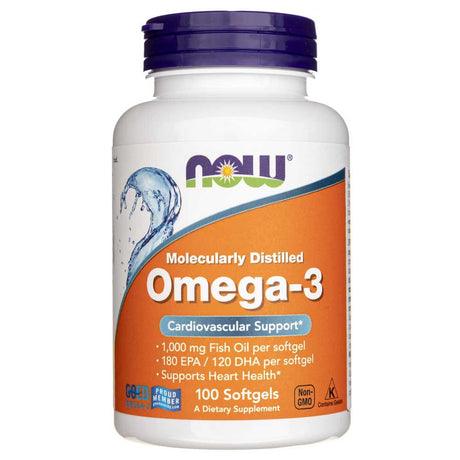


Now Foods
Now Foods Omega-3, 180 EPA / 120 DHA - 100 softgels
Reguliere prijs €11.49Eenheid prijs€0.11 per stuk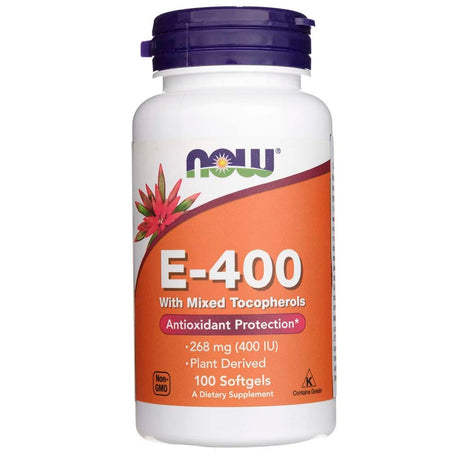


Now Foods
Now Foods Vitamine E-400 met gemengde tocoferolen - 100 softgels
Reguliere prijs €15.19Eenheid prijs€0.15 per stuk


Now Foods
Now Foods Selenium 200 mcg - 90 plantaardige capsules
Reguliere prijs €6.99Eenheid prijs€0.08 per stuk


Dit artikel is uitsluitend informatief en vervangt geen medisch advies. Heb je gezondheidsklachten, ben je zwanger, geef je borstvoeding of gebruik je medicijnen, raadpleeg dan een arts of apotheker. Voedingssupplementen zijn geen vervanging voor een gevarieerd voedingspatroon.


