

De sinussen zijn kleine, met lucht gevulde holtes rondom de neus en de ogen. Hun taak is om de lucht die we inademen te bevochtigen, te verwarmen en te filteren voordat deze de longen bereikt. Hoe klein ze ook zijn, ze kunnen het leven echt ellendig maken wanneer ze ontstoken raken — wat leidt tot sinushoofdpijn, een verstopte of loopneus, druk in het gezicht, koorts en het soort vermoeidheid dat alles stillegt. De periode met het hoogste risico is van de herfst tot de lente, wanneer virale en bacteriële luchtweginfecties het meest voorkomen. Natuurlijke benaderingen — van inhalaties met etherische oliën tot gerichte kruidensupplementen — kunnen een belangrijke ondersteunende rol spelen, zowel bij preventie als tijdens een actieve infectie, door symptomen te verlichten, de immuunfunctie te ondersteunen, en mogelijk de duur r Ecover y te verkorten.
Waarom sinusitis serieus genomen moet worden
Sinusontsteking kan worden veroorzaakt door virussen, bacteriën, of zelfs allergenen. Bacteriële sinusitis verloopt doorgaans UNS zwaarder en vereist mogelijk een TiB iotische behandeling. In beide gevallen, zwellen de ontstoken slijmvliezen op en blokkeren ze de normale afvoer, wat dat bekende gevoel van druk achter het voorhoofd en rond de ogen veroorzaakt. Bij sommige mensen kan zelfs milde koude lucht of tocht congestie en het begin van een ontstekingscyclus veroorzaken. Het doel van natuurlijke benaderingen is tweeledig: congestie en ongemak op korte termijn verlichten en het immuunsysteem versterken om herhaling te voorkomen.
Zwarte vlierbes – Ontstekingsremmend en immuunversterkend
Zwarte vlierbes (Sambucus nigra) behoort tot de meest wetenschappelijk onderbouwde natuurlijke remedies voor infecties van de bovenste luchtwegen. De bloemen en bessen zijn rijk aan flavonoïden — met name anthocyanen — en bevatten ook vitamine C, tannines, en organische zuren. Deze stoffen dragen bij aan de antivirale, ontstekingsremmende, en immuunstimulerende werking. Vlierbespreparaten kunnen helpen de ernst en duur van verkoudheid en griep te verminderen, hoest en koorts te verlichten en de natuurlijke afweer van het lichaam te ondersteunen wanneer infecties terugkeren. Het is vooral nuttig bij de eerste tekenen van ziekte, wanneer vroege ondersteuning van het immuunsysteem het meest effectief is. Vlierbes is overal verkrijgbaar als sap, siroop, en capsules met geconcentreerd extract.
Oregano-olie – Antiviraal, antibacterieel TiB en anti-ontstekingsremmende
Olie van oregano (Origanum vulgare) is afkomstig van wilde oregano en wordt gewaardeerd om zijn breedspectrum antimicrobiële eigenschappen. De werkzame stoffen — voornamelijk carvacrol en thymol — hebben in laboratoriumonderzoeken antivirale, antibacteriële en ontstekingsremmende werking aangetoond. Voor de gezondheid van de sinussen kan oregano-olie op verschillende manieren worden gebruikt: als stoominhalatie om de luchtwegen te ontlasten, oraal ingenomen in capsulevorm ter ondersteuning van de systemische immuunfunctie, of als gorgeldrank om de keel te reinigen van ziekteverwekkers. Het is een bijzonder nuttig hulpmiddel wanneer er al sprake is van een infectie, evenals voor de algemene weerstand van het immuunsysteem tijdens risicovolle maanden. Oregano-olie is verkrijgbaar in vloeibare capsules en als gestandaardiseerd extract — waarbij het laatste een meer gecontroleerde en consistente dosering mogelijk maakt.
Hier zijn enkele van onze meest relevante supplementen ter ondersteuning van de sinussen en de bovenste luchtwegen:
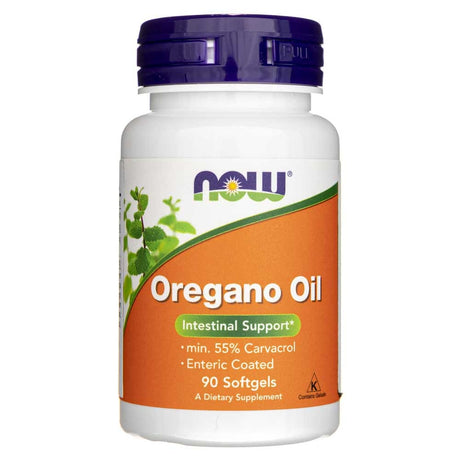


Swanson
Swanson Oregano-olie 10:1 extract 150 mg - 120 softgels
Reguliere prijs €8.19Eenheid prijs€0.07 per stuk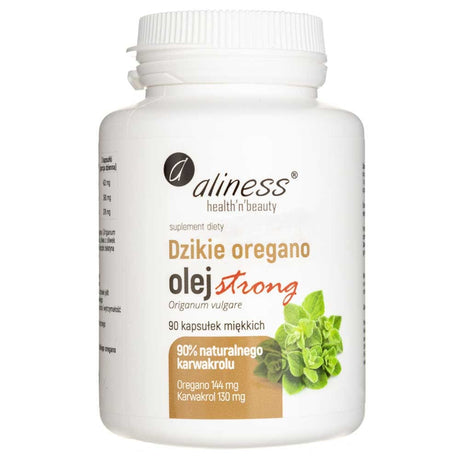


Aliness
Aliness Wilde Oregano-olie STRONG 100% Natuurlijk - 90 capsules
Reguliere prijs €11.19Eenheid prijs€0.12 per stuk

Now Foods
Now Foods Propolis 2000 5:1 extract - 90 softgels
Reguliere prijs €20.69Eenheid prijs€0.23 per stuk


Now Foods
Now Foods Echinacea 400 mg - 100 plantaardige capsules
Reguliere prijs €9.39Eenheid prijs€0.09 per stuk


Now Foods
Now Foods Quercetine met bromelaïne - 120 plantaardige capsules
Reguliere prijs €30.29Eenheid prijs€0.25 per stuk


Pepermunt – Decongestivum, Krampstillend, en Pijnstillend
Pepermunt (Mentha piperita) staat vooral bekend om zijn toepassing bij de spijsvertering, maar de rol ervan bij de gezondheid van de sinussen en de luchtwegen is eveneens alom erkend. Menthol — de belangrijkste werkzame stof — zorgt voor een verkoelend, en decongestief gevoel in de luchtwegen, helpt slijm los te maken, en heeft een licht pijnstillend effect dat sinushoofdpijn kan verlichten. Pepermunt heeft ook antiseptische en diaforetische (zweetopwekkende) eigenschappen, waardoor het nuttig is bij koortsachtige aandoeningen. Het werkt goed als inhalatie met etherische olie, in de vorm van kruidenthee of in combinatie met supplementformules gericht op de luchtwegen. De aangename, intense geur maakt het een van de meest toegankelijke en comfortabele natuurlijke remedies om thuis te gebruiken.
Boerenwormkruid – Een traditionele immuunstimulator die het waard is om te kennen
Gewone boerenwormkruid (Tanacetum vulgare) is minder bekend Toda y maar heeft een gedocumenteerde plaats in de Europese kruidentraditie voor luchtweginfecties, verkoudheden, sinus ontsteking, en ondersteuning van het immuunsysteem. De bestanddelen ervan — waaronder flavonoïden, tannines, organische zuren, fytonciden, terpenen, en essentiële olielactonen — geven het echte koortswerende, antibacteriële, antivirale, en slijmoplossende eigenschappen. Onderzoek wijst uit dat fytonciden en terpenen in boerenwormkruid de duur van infectieziekten zoals griep kunnen helpen verkorten. Het is ook nuttig als ondersteuning voor de keel tijdens een infectie, vanwege de slijmoplossende werking. Reinigingsmiddelen van boerenwormkruid voor inwendig gebruik kunnen het veiligst worden ingenomen in de vorm van gestandaardiseerde kruidenformules, waarbij de bereidingsmethode ervoor zorgt dat thujon — een natuurlijk voorkomende stof in de plant die in geïsoleerde vorm als giftig wordt aangemerkt, maar niet in goed bereide aftreksels of afkooksels terechtkomt — veilig wordt uitgesloten.
Bromelaïne en quercetine – ontstekingsremmende bondgenoten voor de sinussen
Twee natuurlijke verbindingen verdienen vermelding vanwege hun bijzondere relevantie voor sinusontsteking. Bromelaïne — een proteolytisch enzym afkomstig van ananas — heeft een goed gedocumenteerd vermogen om zwelling van het slijmvlies te verminderen en slijmafscheiding te verdunnen, waardoor het nuttig is bij zowel acute sinusitis als allergische neusverstopping. Het is het meest effectief wanneer het op een lege maag wordt ingenomen. Quercetine is een flavonoïde met krachtige antioxiderende en ontstekingsremmende eigenschappen; het werkt ook als een natuurlijk antihistaminicum dat kan helpen de allergische component van sinusontsteking te verminderen. De twee worden vaak gecombineerd in supplementformules voor een synergetisch effect. Samen met vitamine C en zink — de twee fundamentele immuunvoedingsstoffen — vormen ze een praktische, goed onderbouwde combinatie voor de gezondheid van de sinussen en de bovenste luchtwegen tijdens de koudere maanden.
Ontdek onze volledige collectie supplementen voor de luchtwegen en ons brede assortiment voor immuunondersteuning voor extra opties, waaronder vitamine C, zink, vitamine D3, echinacea, en meer:


Now Foods
Now Foods Vitamine C-1000 met Rozenbottels & Bioflavonoïden - 100 tabletten
Reguliere prijs €9.89Eenheid prijs€0.10 per stuk


Now Foods
Now Foods Vitamine D3 2000 IU - 120 softgels
Reguliere prijs €5.69Eenheid prijs€0.05 per stuk


Aliness
Aliness Bromelaïne 500 mg, Papaïne 200 mg - 100 plantaardige capsules
Reguliere prijs €17.19Eenheid prijs€0.17 per stuk


Swanson
Swanson Quercetine 475 mg - 60 plantaardige capsules
Reguliere prijs €19.09Eenheid prijs€0.32 per stuk


Now Foods
Now Foods Beta-Glucanen met ImmunEnhancer, Extra Sterkte - 60 plantaardige capsules
Reguliere prijs €16.19Eenheid prijs€0.27 per stuk


Ondersteuning van uw sinussen tijdens het seizoen
Een veelzijdige aanpak werkt het beste voor de gezondheid van de sinussen. Door het immuunsysteem het hele jaar door goed te ondersteunen — met voldoende vitamine D3, zink, en vitamine C — vermindert u de frequentie van infecties voordat ze beginnen. Wanneer symptomen optreden, kunnen kruidenopties zoals oregano-olie, vlierbes en pepermunt zinvolle verlichting en ondersteuning bieden. Goed gehydrateerd blijven, voldoende slapen en stoominhalaties gebruiken zijn eenvoudige maar effectieve aanvullende maatregelen. Bezoek voor een volledig assortiment supplementen die relevant zijn voor de gezondheid van de bovenste luchtwegen, onze collectie kruidensupplementen.
Dit artikel is uitsluitend informatief en vervangt geen medisch advies. Heb je gezondheidsklachten, ben je zwanger, geef je borstvoeding of gebruik je medicijnen, raadpleeg dan een arts of apotheker. Voedingssupplementen zijn geen vervanging voor een gevarieerd voedingspatroon.


