

Stress is alomtegenwoordig — en de meeste mensen hebben het gewoon geaccepteerd als een onvermijdelijk onderdeel van het moderne leven. Maar het groeiende bewijs over wat chronische stress met lichaam en geest doet, maakt die acceptatie steeds moeilijker te rechtvaardigen. Het goede nieuws is dat het bereiken van meer rust en veerkracht haalbaarder is dan het klinkt, en dat natuurlijke supplementen een goed onderbouwde manier bieden om dat te bereiken. Dit is wat de wetenschap zegt over stress — en welke voedingsstoffen en plantaardige middelen echt kunnen helpen.
Wat stress daadwerkelijk met het lichaam doet
Stress is de adaptieve reactie van het lichaam op externe eisen — een verstoring van de homeostase (de biologische zelfregulatie die interne processen stabiel houdt). Het manifesteert zich in drie onderling verbonden dimensies: fysiologisch, psychologisch, en gedragsmatig. Op korte termijn, zijn de effecten meestal omkeerbaar: spierspanning, hyperventilatie, hoofdpijn, beklemming op de borst, maag- en darmklachten, blozen, en een verhoogde hartslag zijn allemaal veelvoorkomende acute reacties.
Het probleem ontstaat wanneer stress chronisch wordt. Aanhoudende activering van de stressreactie draagt bij aan een breed scala aan ernstige gevolgen voor de gezondheid. Op psychologisch vlak: slaapstoornissen, chronisch vermoeidheidssyndroom, verminderde cognitieve functie, angst, depressie, en een verhoogd risico op neurodegeneratieve aandoeningen, waaronder de ziekte van Alzheimer en de ziekte van Parkinson. Op fysiek vlak: obesitas, diabetes type 2, atherosclerose, prikkelbare darmsyndroom, hormonale verstoring, huidaandoeningen, verminderde immuunfunctie, en hart- en vaatziekten. Stress is niet alleen een onaangenaam gevoel — het is een fysiologisch proces met meetbare gevolgen op de lange termijn.
Natuurlijke benaderingen die de moeite waard zijn
Er zijn verschillende op levensstijl gebaseerde strategieën die gedegen bewijs hebben voor stressvermindering: regelmatige lichaamsbeweging (die cortisol verlaagt en serotonine verhoogt), een voedingskundig complete voeding, voldoende en regelmatige slaap, en bewuste ontspanningsoefeningen. Deze vormen de basis — maar ze zijn niet altijd voldoende, en ze vereisen tijd en omstandigheden die niet altijd beschikbaar zijn. Gerichte supplementen kunnen zinvolle aanvullende ondersteuning bieden, en voor veel mensen maken ze een tastbaar verschil.
Adaptogene en stressondersteunende supplementen
Adaptogenen zijn een specifieke categorie van plantaardige middelen die worden gekenmerkt door hun vermogen om het lichaam te helpen weerstand te bieden aan fysieke, chemische, en biologische stressfactoren — in wezen verhogen ze de niet-specifieke veerkracht van het organisme. Verschillende daarvan hebben een uitgebreide traditionele toepassing en er is een groeiend aantal moderne klinische onderzoeken.
Ashwagandha — Het meest bestudeerde adaptogeen
Ashwagandha (Withania somnifera), dat al millennia lang centraal staat in de Ayurvedische geneeskunde, is nu een van de meest onderzochte supplementen ter ondersteuning bij stress. Klinische studies hebben aangetoond dat het de cortisolspiegel meetbaar kan verlagen, angst kan verlichten, en het subjectieve welzijn kan verbeteren. De actieve withanoliden vertonen ontstekingsremmende en immuunondersteunende eigenschappen; glycowithanoliden dragen bij aan immuunregulatie, terwijl withanosiden, saponinen, en alkaloïden in brede zin de vitaliteit en fysieke veerkracht ondersteunen. Nieuw onderzoek wijst ook op mogelijke voordelen voor de cognitieve functie en neuroprotectie. Bekijk ons volledige assortiment in de ashwagandha-collectie.
Rhodiola Rosea — Veerkracht en mentale prestaties
Rhodiola (Rhodiola rosea L.) groeit in arctische en bergachtige gebieden en bevat meer dan 140 actieve stoffen. Als adaptogeen, staat het vooral bekend om het verhogen van de stresstolerantie en het ondersteunen van mentale prestaties onder druk. Onderzoek heeft voordelen aangetoond bij het verminderen van vermoeidheid, het verbeteren van concentratie en geheugen, en het ondersteunen van de stemming tijdens periodes van psychologische belasting. Het wordt ook gebruikt als aanvullende ondersteuning bij cognitieve achteruitgang en beginnende depressieve toestanden. In tegenstelling tot stimulerende middelen, ondersteunt het de alertheid zonder de crash.
Gotu Kola — Het hersenkruid
Gotu Kola (Centella asiatica), een hoeksteen van de traditionele Chinese en Ayurvedische geneeskunde, werkt voornamelijk in op het centrale zenuwstelsel — werkt als een anxiolyticum, mild antidepressivum, en neuroprotectief middel. Het vermindert stress en angst, ondersteunt het geheugen en de cognitieve functies, en helpt bij slapeloosheid. Het verbetert ook de perifere bloedsomloop, waardoor het veel wordt gebruikt bij de behandeling van veneuze insufficiëntie. Het gehalte aan mineralen ((calcium, ijzer, kalium)) en vitamine A, C, en B2 draagt bij aan extra fysiologische ondersteuning.
Koreaanse en Siberische ginseng
Panax ginseng (Koreaanse ginseng) is een van de meest onderzochte medicinale planten ter wereld, met meer dan 200 gedocumenteerde werkzame stoffen. Het werkt in op het centrale zenuwstelsel om tegelijkertijd te ontspannen en te stimuleren — waardoor vermoeidheid en slaperigheid worden verminderd en concentratie en geheugen worden ondersteund. Het moduleert ook de immuunfunctie, draagt bij aan de regulering van cholesterol, en heeft antioxiderende eigenschappen. Als supplement tegen stress, kan het het beste 's ochtends of 's middags worden ingenomen; gebruik 's avonds kan de slaap verstoren.
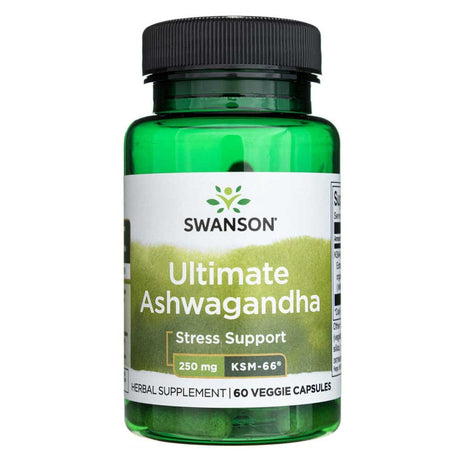


Swanson
Swanson Ultimate Ashwagandha KSM-66 250 mg - 60 plantaardige capsules
Reguliere prijs €8.89Eenheid prijs€0.15 per stuk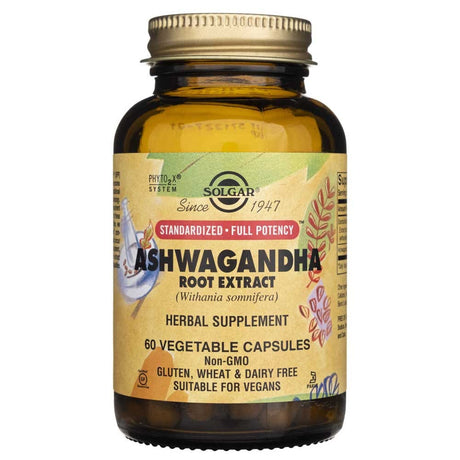


 25% korting
Solgar
Solgar SFP Ashwagandha Wortel Extract - 60 plantaardige capsules
Verkoopprijs €19.31 Reguliere prijs €25.79Eenheid prijs€0.32 per stuk

Life Extension
Life Extension Geoptimaliseerd Ashwagandha-extract - 60 plantaardige capsules
Reguliere prijs €13.69Eenheid prijs€0.23 per stuk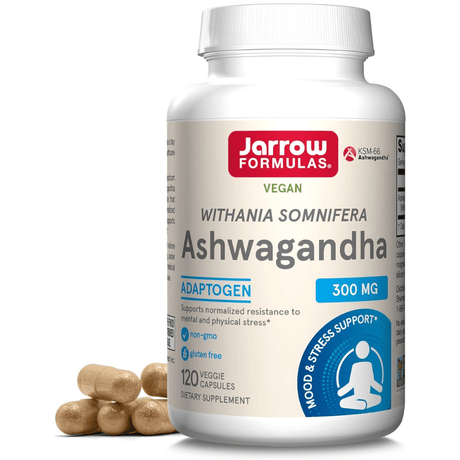


Jarrow Formulas
Jarrow Formulas Ashwagandha 300 mg - 120 plantaardige capsules
Reguliere prijs €27.09Eenheid prijs€0.23 per stuk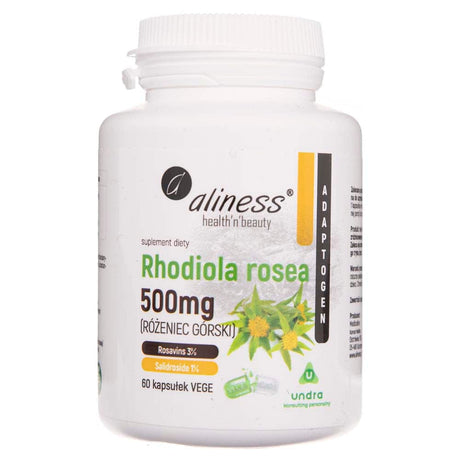


Aliness
Aliness Rhodiola Rosea 500 mg - 60 plantaardige capsules
Reguliere prijs €14.69Eenheid prijs€0.24 per stuk


Aminozuren en kalmerende kruiden
L-tryptofaan — De voorloper van serotonine
L-tryptofaan is een essentieel aminozuur en de directe voorloper van serotonine — de neurotransmitter die het nauwst verband houdt met een stabiele stemming, emotionele veerkracht, en welzijn — en met melatonine, dat de slaap regelt. Omdat het de bloed-hersenbarrière passeert, kan het de chemie in de hersenen direct beïnvloeden. Onderzoek ondersteunt het gebruik ervan voor het verminderen van stressgevoeligheid, het verlichten van angst, het verbeteren van het inslapen en de slaapkwaliteit, en het verminderen van het risico op depressieve episodes. Het kan het beste 's avonds worden ingenomen, los van eiwitrijke maaltijden, om de opname door de hersenen te maximaliseren.
L-Theanine — Rust zonder verdoving
L-theanine, een niet-eiwit aminozuur dat voornamelijk in groene thee voorkomt, zorgt voor een rustige, en gefocuste mentale toestand zonder slaperigheid — waardoor het zich onderscheidt van de meeste kalmerende middelen. Het bevordert de alfa-hersengolfactiviteit (die geassocieerd wordt met ontspannen alertheid), vermindert angst en subjectieve stress, en verbetert de slaapkwaliteit aanzienlijk. Het verbetert ook de cognitieve prestaties tijdens periodes van hoge mentale belasting. Voor mensen die functioneel en gefocust moeten blijven terwijl ze met stress omgaan, is L-theanine een van de meest praktisch bruikbare opties die beschikbaar zijn. Bekijk ons bredere assortiment voor ondersteuning van de hersenen en cognitieve functies voor aanvullende opties.
Gotu Kola, Valeriaan en citroenmelisse
Verschillende klassieke kalmerende kruiden maken het assortiment compleet. Valeriaanwortel (Valeriana officinalis) staat vooral bekend om zijn effect op de slaapkwaliteit — het verkort de tijd die nodig is om in slaap te vallen en ondersteunt een diepere rust, wat op zijn beurt de stresstolerantie overdag verbetert. Citroenmelisse (Melissa officinalis) heeft een licht angstremmende en stemmingsstabiliserende werking, en wordt vaak gecombineerd met valeriaan voor een synergetische slaap- en ontspanningsformule. Beide hebben een lange geschiedenis van veilig gebruik in de Europese kruidengeneeskunde en zijn verkrijgbaar als capsules, theeën, en etherische oliën. Voor degenen die de voorkeur geven aan aromatherapie, heeft etherische lavendelolie meetbare angstremmende effecten aangetoond bij inhalatie — het vermindert cortisol en ervaren stress terwijl het de slaap ondersteunt.


Aliness
Aliness L-Tryptofaan 500 mg - 100 plantaardige capsules
Reguliere prijs €8.79Eenheid prijs€0.09 per stuk


Now Foods
Now Foods L-Tryptofaan 500 mg - 60 plantaardige capsules
Reguliere prijs €14.49Eenheid prijs€0.24 per stuk


Aliness
Aliness L-Theanine 200 mg - 100 plantaardige capsules
Reguliere prijs €10.09Eenheid prijs€0.10 per stuk


Now Foods
Now Foods Valeriaanwortel 500 mg - 100 plantaardige capsules
Reguliere prijs €9.09Eenheid prijs€0.09 per stuk


Een praktisch protocol voor stressbeheersing opstellen
Geen enkel supplement werkt op zichzelf, en de meest effectieve aanpak combineert een gezonde levensstijl met gerichte suppletie. Regelmatige lichaamsbeweging, een consistent slaappatroon, en een dieet dat voedingstekorten voorkomt — met name in B-vitamines, magnesium, en zink, die allemaal het zenuwstelsel beïnvloeden — blijven essentieel. Supplementen werken het beste als onderdeel van dit bredere geheel, en niet als vervanging ervan.
Kies bij het selecteren van een supplement, het werkingsmechanisme dat aansluit bij uw belangrijkste zorg: als slaapstoornissen het hoofdprobleem zijn, zijn L-tryptofaan of valeriaan wellicht het meest relevante uitgangspunt; als cognitieve prestaties onder druk de prioriteit zijn, zijn L-theanine of rhodiola zeer geschikt; als het doel brede veerkracht tegen chronische stress is, heeft ashwagandha de meest substantiële bewijsbasis. Bekijk ons volledige assortiment slaapondersteuning voor aanvullende opties die gericht zijn op het herstellende aspect van stressmanagement.
Dit artikel is uitsluitend informatief en vervangt geen medisch advies. Heb je gezondheidsklachten, ben je zwanger, geef je borstvoeding of gebruik je medicijnen, raadpleeg dan een arts of apotheker. Voedingssupplementen zijn geen vervanging voor een gevarieerd voedingspatroon.


