

Het is algemeen bekend dat lijnzaad gezondheidsbevorderende eigenschappen heeft. Deze kleine, bruinachtige of goudkleurige zaadjes van de gewone vlasplant (Linum usitatissimum) hebben een opmerkelijk voedingspotentieel — nuttig voor het verrijken van de dagelijkse voeding en ter ondersteuning van de preventie en behandeling van een reeks gezondheidsproblemen. Maar welke variant is beter: bruin of goudkleurig? En maakt het verschil eigenlijk wel uit?
Wat is lijnzaad en in welke vormen is het verkrijgbaar?
Lijnzaad — ook wel vlaszaad genoemd — verwijst naar de kleine zaadjes van de vlasplant. Afhankelijk van de variëteit, zijn ze goudgeel of bruinachtig van kleur. Beide worden geclassificeerd als functionele voedingsmiddelen, die erkend worden om hun positieve invloed op de menselijke gezondheid en fysiologische functies.
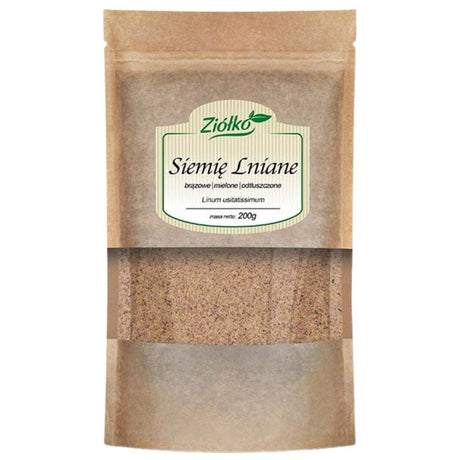
Lijnzaad is verkrijgbaar in drie hoofdvormen: hele zaden, gemalen zaden (meel), en koudgeperste lijnzaadolie. Elke vorm heeft een eigen voedingsprofiel en toepassingsgebied. Gemalen zaden geven hun actieve bestanddelen tijdens de spijsvertering gemakkelijker af dan hele zaden, waardoor ze de voorkeur genieten voor de meeste therapeutische toepassingen. De olie levert geconcentreerde vetzuren en is ideaal als voedingssupplement en voor uitwendige toepassingen. Hele zaden behouden het langst hun volledige structuur en kunnen het beste ongemalen worden bewaard.
Voedingssamenstelling: wat zit er in lijnzaad?
Lijnzaad is een van de meest voedzame plantaardige voedingsmiddelen die er zijn. De belangrijkste bestanddelen zijn:
- Omega-3-vetzuren — die ongeveer 60% van alle vetten in de zaden uitmaken, waardoor lijnzaad een van de rijkste plantaardige bronnen van alfa-linoleenzuur (ALA) is
- Lignanen — krachtige fytostrogenen met bewezen kankerbestrijdende eigenschappen en een beschermend effect op de lever
- Voedingsvezels — vormen bijna een derde van de zaadmassa, zijn zeer goed in water oplosbaar, en werken als prebioticum; helpt de darmflora te reguleren, verlaagt het cholesterolgehalte, en ondersteunt de opname van voedingsstoffen
- SDG-lignaan — geassocieerd met verhoogde botmassa en positieve effecten op de hormonale balans bij vrouwen
- Plantensterolen — beschermen tegen schade door vrije radicalen
- Slijmstoffen — vormen een beschermende gel wanneer ze met water worden gemengd, waardoor ze het maag-darmkanaal bedekken en irritatie en ontstekingen verzachten
- Mineralen — waaronder selenium, zink, koper, mangaan, calcium, kalium, en magnesium
- Vitaminen — B1, B2, B5, B6, niacine (B3), vitamine K, E, C, en foliumzuur
- Aminozuren — waaronder fenylalanine, tryptofaan, leucine, en lysine
Lijnzaad is calorierijk — ongeveer 534 kcal per 100 g — maar de aanbevolen dagelijkse portie is slechts 1–2 eetlepels (ongeveer 10–20 g), wat voldoende is om zinvolle gezondheidsvoordelen te bieden zonder een significante calorische bijdrage.
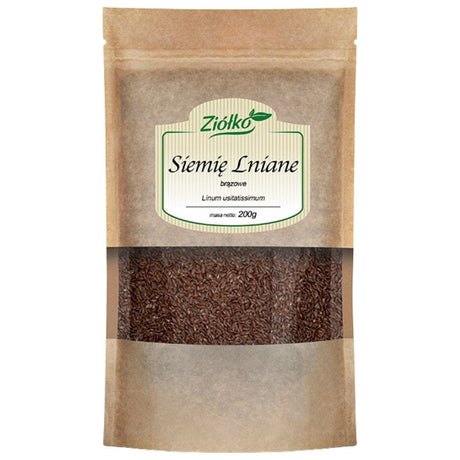
Bruin lijnzaad
Bruin lijnzaad bevat bijna 50% olie, waarvan ongeveer 60% omega-3-vetzuren zijn. De olie is eiwitrijk en vetrijk, en heeft sterke antioxiderende eigenschappen. Bruin lijnzaad ondersteunt de hormonale regulatie en is bijzonder rijk aan lignanen (; lijnzaadlignanen staan ook bekend als fyto-oestrogenen). Het bevat ook verbindingen die de stofwisseling ondersteunen, wat bijdraagt aan het beheersen van overgewicht. Qua smaak, heeft bruin lijnzaad een uitgesproken nootachtig karakter — een sterk, karakteristiek aroma dat sommigen sterker vinden dan dat van de gouden variant.
Bruin lijnzaad heeft een hoger totaal gehalte aan antioxidanten dan goudkleurig — een belangrijk voordeel voor mensen die zich richten op het verminderen van oxidatieve stress en de daarmee samenhangende ziekterisico's.
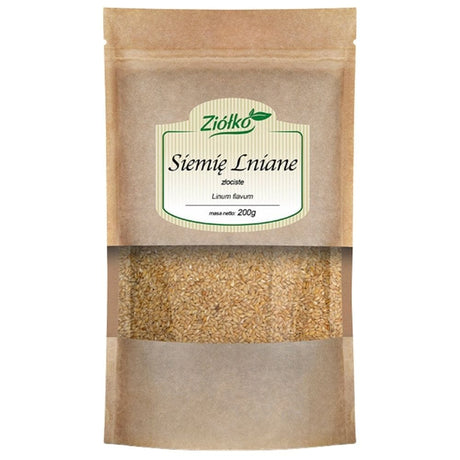
Goudkleurig lijnzaad (Budwig-lijnzaad)
De goudkleurige variant — soms Budwig-lijnzaad genoemd naar Dr. Johanna Budwig, de chemicus, natuurkundige, en voedingsonderzoeker die het in haar bekende voedingsprotocollen opnam — bevat ook bijna 50% olie, waarvan ongeveer 51% van die olie bestaat uit omega-3-vetzuren. De gezondheidsbevorderende eigenschappen ervan zijn met name relevant voor de gezondheid van hart, bloedvaten en het cardiovasculaire systeem. Het heeft een uitgebalanceerd en voedingskundig gunstig vet-eiwitprofiel, en bevat, net als bruin lijnzaad, aanzienlijke hoeveelheden lignanen.
Goudkleurig lijnzaad heeft een hoger eiwitgehalte en een groter aandeel meervoudig UNS onverzadigde vetzuren dan de bruine variant — waaronder zowel linolzuur (omega-6) als alfa-linoleenzuur (omega-3), die het menselijk lichaam geen van beide zelfstandig kan aanmaken. Het heeft doorgaans ook een mildere smaak en heeft vaak de voorkeur van mensen die de smaak van bruin lijnzaad te sterk vinden.
Bruin versus goudkleurig: welke moet je kiezen?
Beide varianten zijn echt heilzaam — de verschillen zijn eerder een kwestie van mate dan van soort. Bruin lijnzaad loopt voorop wat betreft het gehalte aan antioxidanten; goudkleurig lijnzaad loopt voorop wat betreft de concentratie aan eiwitten en meervoudig onverzadigde vetzuren. Als uw primaire doel ondersteuning met antioxidanten of hormoongerelateerde toepassingen is, heeft bruin een lichte voorsprong. Als u zich richt op de inname van essentiële vetzuren of de voorkeur geeft aan een mildere smaak, is goudkleurig de geschiktere keuze.
Voor de meeste dagelijkse doeleinden — omega-3-suppletie, ondersteuning van de spijsvertering, cholesterolbeheer, hormonale balans — is beide variant effectief bij consequente consumptie van 1–2 eetlepels per dag.
Waar lijnzaad bij kan helpen
Uit uitgebreid onderzoek is gebleken dat regelmatige consumptie van lijnzaad gezondheidsvoordelen biedt. Gevestigde toepassingsgebieden zijn onder meer ondersteuning bij gewichtsbeheersing, cholesterolverlaging, regulering van de bloeddruk, preventie van osteoporose, kankerpreventie (met name hormoon-gevoelige kankers), hormonale onevenwichtigheden, regulering van de bloedsuikerspiegel bij diabetes, verlichting van keelpijn en hoest, spijsverteringsklachten, waaronder diarree, een opgeblazen gevoel, constipatie, en aandoeningen waarbij sprake is van maag-darmirritatie, zoals maagzweren en zure reflux.
Wat specifiek de olie betreft — koudgeperste lijnzaadolie, of deze nu afkomstig is van bruine of gouden zaden — zijn de toepassingen voor het hart- en vaatstelsel, de huid, en het haar, zoals gedocumenteerd in klinisch onderzoek, algemeen erkend. Het is de moeite waard om op te merken dat de olie nooit verhit mag worden: de heilzame vetzuren gaan bij hoge temperaturen verloren en worden vernietigd door verhitting.
Zowel koudgeperste lijnzaadolie als hele/gemalen zaden zijn verkrijgbaar in onze Kookoliën & Azijnen en Gezonde voeding & Voeding collecties.
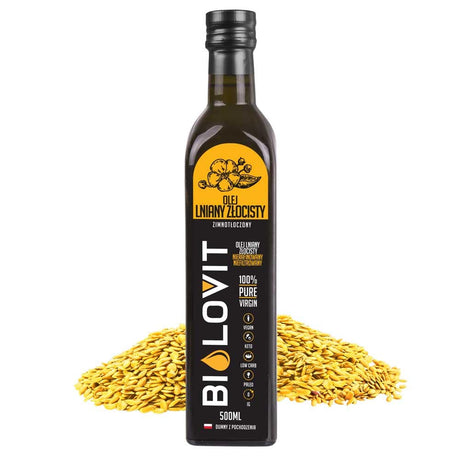

Bilovit
Bilovit Gouden Lijnzaadolie Koudgeperst - 500 ml
Reguliere prijs €6.09Eenheid prijs€12.18 /l

 16% korting
Bilovit
Bilovit Lijnzaadolie Koudgeperst - 500 ml
Verkoopprijs €4.84 Reguliere prijs €5.79Eenheid prijs€9.68 /l
Olvita
Olvita Koudgeperste lijnzaadolie voor het Dr. Budwig Dieet Ongezuiverd - 500 ml
Reguliere prijs €11.69Eenheid prijs€23.38 /l


Wellbear
Wellbear Goudkleurige lijnzaadolie koudgeperst - 500 ml
Reguliere prijs €9.09Eenheid prijs€18.18 /l


Voor wie de voorkeur geeft aan lijnzaad in capsule- of zaadvorm — handig voor op reis, nauwkeurige dosering, of als aanvulling op voedingsolie — zijn de volgende opties het overwegen waard. Bekijk het volledige assortiment in onze visolie & omega's collectie, naast andere omega-3-bronnen.

Swanson
Swanson Lijnzaadolie 1000 mg - 100 capsules
Reguliere prijs €9.19Eenheid prijs€0.15 per stuk





Dit artikel is uitsluitend informatief en vervangt geen medisch advies. Heb je gezondheidsklachten, ben je zwanger, geef je borstvoeding of gebruik je medicijnen, raadpleeg dan een arts of apotheker. Voedingssupplementen zijn geen vervanging voor een gevarieerd voedingspatroon.


