

In de context van gezond eten wordt er steeds vaker gesproken over antioxidantrijke voeding. Het blijkt dat het behouden van een gezond gewicht vanuit voedingsoogpunt niet het enige is dat telt. Even belangrijk zijn het algehele welzijn en de gezondheid van het hele lichaam. Beide worden beïnvloed door vrije radicalen — stoffen die altijd al in het lichaam aanwezig zijn geweest en nooit volledig kunnen worden geëlimineerd. De sleutel is het behouden van een evenwicht tussen vrije radicalen en antioxidanten, en dit is waar antioxidatie om de hoek komt kijken.
Vrije radicalen — wat ze zijn en waarom ze belangrijk zijn
Vrije radicalen zijn, in de eenvoudigste bewoordingen, atomen met ongepaarde elektronen. Elk zuurstofatoom draagt normaal gesproken een even aantal elektronen op zijn buitenste baan, maar af en toe wordt er een elektron weggehaald, waardoor er een gat ontstaat. Dit maakt het atoom onstabiel en het gaat agressief op zoek naar iets om de leegte op te vullen. Omdat dit proces snel en in de directe omgeving plaatsvindt, valt het onstabiele atoom snel een naburig atoom aan en steelt het elektron — wat op zijn beurt een nieuwe vrije radicaal creëert. Deze kettingreactie van "diefstal" en "zoeken" blijft zich verspreiden van atoom naar atoom.
Wat dit bijzonder zorgwekkend maakt, is dat een vrije radicaal elk beschikbaar atoom, zal aanvallen, inclusief die welke eiwitten en andere vitale structuren vormen. Deze uitwisselingen van elektronen binnen cellen beschadigen celmembranen en DNA, wat celdood versnelt en de algehele gezondheid ondermijnt.
Vrije radicalen worden voornamelijk in het lichaam gegenereerd door normale stofwisselingsprocessen, maar ze komen ook uit externe bronnen. Milieuvervuiling, UV-straling, sigarettenrook, en alcohol dragen allemaal bij aan de blootstelling aan vrije radicalen. Chronische vermoeidheid en stress kunnen de productie ervan ook verhogen.
Wat is antioxidatie?
Antioxidatie is het antwoord van het lichaam op de schadelijke werking van vrije radicalen. Het is afhankelijk van antioxidanten — verbindingen die een natuurlijk vermogen hebben om de schadelijke effecten van oxidatieve stofwisselingsprocessen te neutraliseren. Antioxidanten omvatten een breed scala aan stoffen: mineralen, vitamines, en enzymen. Deze verbindingen verminderen de negatieve impact van reacties met vrije radicalen, en helpen het lichaam te beschermen tegen ziekten die verband houden met oxidatieve stress.
Antioxidatie wordt daarom beschouwd als een van de meest effectieve vormen van preventie tegen ernstige aandoeningen, waaronder hart- en vaatziekten, beroertes, bepaalde soorten kanker, en neurodegeneratieve ziekten zoals de ziekte van Alzheimer. Een gezond lichaam is doorgaans in staat om vrije radicalen zelf op te ruimen, maar soms raakt dit evenwicht verstoord — hetzij door overmatige stress, slechte voeding, of simpelweg het natuurlijke verouderingsproces, waardoor het evenwicht geleidelijk verschuift in het voordeel van vrije radicalen.
Als u de antioxidantafweer van uw lichaam wilt ondersteunen met supplementen, biedt onze collectie antioxidantensupplementen zorgvuldig geselecteerde producten van vertrouwde internationale merken.
Hoe werkt antioxidatie?
De meeste antioxidanten werken volgens een vergelijkbaar mechanisme. Ze neutraliseren vrije radicalen door zich aan hun moleculen te binden, waardoor de oxiderende eigenschappen van reactieve zuurstofsoorten effectief worden onschadelijk gemaakt en de vorming van nieuwe schadelijke chemische verbindingen wordt voorkomen. Een andere aanpak houdt in dat de antioxidant rechtstreeks een elektron afstaat aan de vrije radicaal, waardoor het UNS-atoom wordt gestabiliseerd en de kettingreactie wordt gestopt.
Naast neutralisatie, helpen antioxidanten ook bij het verwijderen van beschadigde moleculen en toxische bijproducten uit cellen — stoffen die zich hebben opgehoopt als gevolg van de activiteit van vrije radicalen. Deze reinigende functie is essentieel voor het behoud van de cellulaire integriteit en het ondersteunen van de gezondheid op de lange termijn.
De beste antioxidantvitamines
Tot de belangrijkste antioxidantverbindingen behoren carotenoïden (zoals bètacaroteen-caroteen en zeaxanthine), bioflavonoïden, bepaalde mineralen (zink, selenium, co-enzym Q10), en — bovenal — vitamine A, E, en C. Talrijke studies hebben bevestigd dat langdurige suppletie met provitamine A en vitamine C en E de reactie van het lichaam tijdens de behandeling van hart- en vaataandoeningen kan ondersteunen en kan bijdragen aan de algehele bescherming van de cellen.
Provitamine A (Bètacaroteen)
Bètacaroteen wordt in het lichaam omgezet in vitamine A, maar alleen in de hoeveelheid die het lichaam daadwerkelijk nodig heeft. Dit maakt het een inherent veilige stof — het lichaam produceert simpelweg niet meer vitamine A dan nodig is. Via stofwisselingsprocessen, genereert bètacaroteen atomen die vrije radicalen kunnen neutraliseren. Uitstekende voedingsbronnen zijn onder andere wortelen, tomaten, spinazie, en sla. Voor wie op zoek is naar een handige aanvullende vorm, zijn vitamine A-supplementen verkrijgbaar in verschillende samenstellingen.
Vitamine C (Ascorbinezuur)
Vitamine C is een van de krachtigste in water oplosbare antioxidanten. Het heeft een sterk vermogen om vrije radicalen te neutraliseren en wordt vooral gewaardeerd om zijn rol bij het beperken van oxidatieve DNA-schade veroorzaakt door reactieve atomen. Aangezien overtollige vitamine C niet in het lichaam wordt opgeslagen maar via de urine wordt uitgescheiden, is het risico op een overdosis zeer laag. Rijke voedingsbronnen zijn onder andere citrusvruchten, paprika's, aardbeien, aardappelen, kool, en tomaten.
Voor suppletie, is vitamine C in vele vormen verkrijgbaar — van standaardtabletten tot formules met vertraagde afgifte en kauwtabletten. Bekijk het volledige assortiment in onze vitamine C-collectie.
Vitamine E (Tocoferol)
Vitamine E is een in vet oplosbare antioxidant, wat betekent dat het in het lichaam wordt opgeslagen en niet in overmatige hoeveelheden mag worden geconsumeerd. De antioxiderende eigenschappen ervan zijn echter uitzonderlijk sterk — tocoferol beperkt effectief celbeschadiging veroorzaakt door vrije radicalen en ondersteunt de bescherming van celmembranen. Natuurlijke voedingsbronnen zijn onder andere eieren, noten, groene bladgroenten en plantaardige oliën.
Ondersteunende antioxidanten — Selenium, zink, en CoQ10
. Hoewel vitamine A, C, en E de bekendste antioxidanten zijn, spelen mineralen zoals selenium en zink spelen ook een cruciale rol in het antioxidantafweersysteem van het lichaam. Selenium draagt bij aan de bescherming van cellen tegen oxidatieve stress en ondersteunt een normale schildklierfunctie. Co-enzym Q10 is een andere krachtige antioxidant die de energieproductie in de cellen ondersteunt en bijzonder belangrijk is voor de gezondheid van het hart.
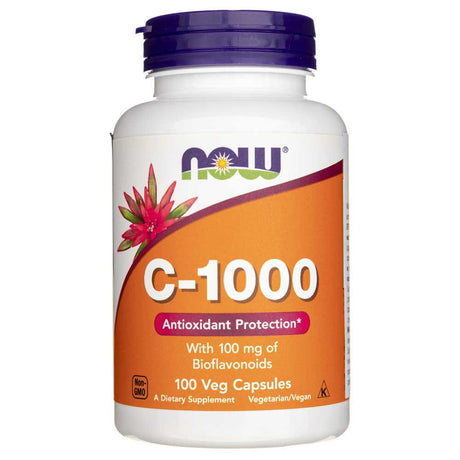


Now Foods
Now Foods Vitamine C-1000 met bioflavonoïden - 100 plantaardige capsules
Reguliere prijs €9.89Eenheid prijs€0.10 per stuk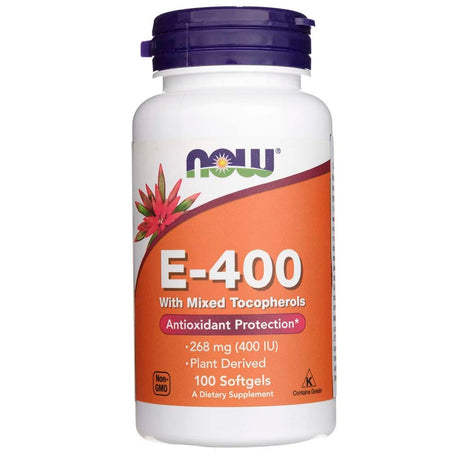


Now Foods
Now Foods Vitamine E-400 met gemengde tocoferolen - 100 softgels
Reguliere prijs €15.39Eenheid prijs€0.15 per stuk
Now Foods
Now Foods Beta Caroteen Natural 7500 mcg (25000 IU) - 90 softgels
Reguliere prijs €14.99Eenheid prijs€0.17 per stuk


Now Foods
Now Foods Selenium 200 mcg - 90 plantaardige capsules
Reguliere prijs €7.09Eenheid prijs€0.08 per stuk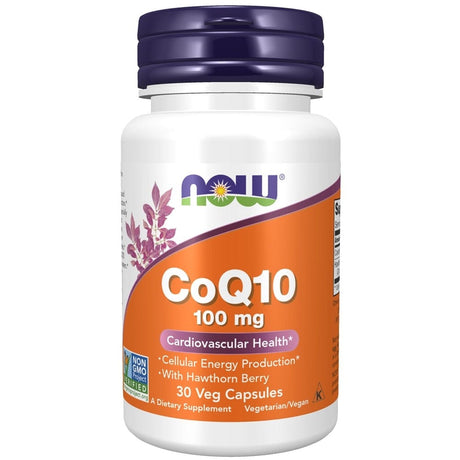


Now Foods
Now Foods CoQ10 100 mg met meidoornbes - 30 plantaardige capsules
Reguliere prijs €10.29Eenheid prijs€0.34 per stuk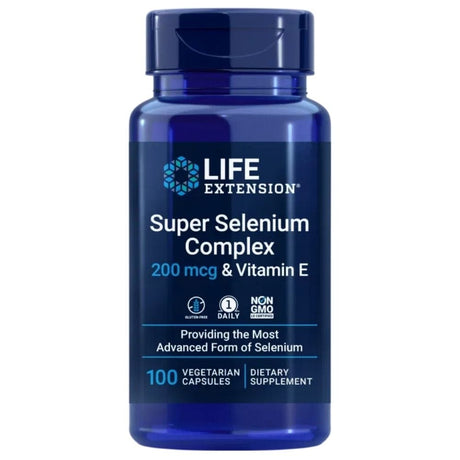

Life Extension
Life Extension Super Selenium Complex 200 mcg & Vitamine E - 100 plantaardige capsules
Reguliere prijs €11.99Eenheid prijs€0.12 per stuk


Bouwen aan een levensstijl rijk aan antioxidanten
Vitaminen zijn uitstekende antioxidanten omdat, ze niet alleen vrije radicalen neutraliseren, maar ook een breed scala aan extra gezondheidsvoordelen bieden — van ondersteuning van het immuunsysteem en het energiemetabolisme tot een gezonde huid en cognitieve functies. Dit maakt ze tot een waardevolle basis voor elke antioxidantstrategie.
De meest effectieve aanpak combineert een dieet rijk aan kleurrijke groenten en fruit met gerichte suppletie waar nodig. Geef prioriteit aan een gevarieerde inname van antioxidanten in plaats van te vertrouwen op één enkele vitamine, aangezien verschillende antioxidanten verschillende soorten cellen beschermen en via complementaire mechanismen werken. Belangrijkste conclusie: Antioxidatie is de natuurlijke afweer van uw lichaam tegen oxidatieve schade door vrije radicalen. Het ondersteunen van dit proces door middel van een uitgebalanceerd dieet dat rijk is aan vitamine A, C, en E — samen met mineralen zoals selenium en co-enzym Q10 — kan helpen uw cellen te beschermen en bijdragen aan welzijn op de lange termijn.
Dit artikel is uitsluitend informatief en vervangt geen medisch advies. Heb je gezondheidsklachten, ben je zwanger, geef je borstvoeding of gebruik je medicijnen, raadpleeg dan een arts of apotheker. Voedingssupplementen zijn geen vervanging voor een gevarieerd voedingspatroon.


