

Je huid is een van de meest veeleisende delen van je lichaam — gevoelig voor veranderingen, vaak onvoorspelbaar, en in staat om op vrijwel alles te reageren. Vooral de gezichtshuid is heel kieskeurig. Haar behoeften veranderen met de leeftijd, met de seizoenen, en zelfs als je naar een ander klimaat verhuist. De waarheid is, dat er net zoveel huidverzorgingsbehoeften zijn als er huidtypes zijn. Droog, vettig, gemengd, acnegevoelig, gevoelig — elk type heeft zijn eigen specifieke behoeften. Het kiezen van de juiste gezichtscrème kan overweldigend aanvoelen, maar het begint met begrijpen wat je huid daadwerkelijk nodig heeft.
Waarom het vinden van de juiste gezichtscrème zo moeilijk is
Terwijl veel reinigingsmiddelen, toners, en gezichtsmaskers zijn samengesteld om bij meerdere huidtypes te werken, gezichtscrèmes zijn veel specifieker. Wat voor de ene persoon prachtig werkt, kan bij een ander puistjes, irritatie, of verstopte poriën veroorzaken. Het is volkomen normaal om een paar teleurstellende producten te proberen voordat je het juiste vindt — je huid leren kennen kost tijd en observatie.
De belangrijkste gewoonte die je kunt ontwikkelen, is goed opletten hoe je huid reageert gedurende de eerste twee tot drie weken met een nieuwe crème. Niet alleen op dag één, maar in de loop van de tijd. Verstopte poriën, een vette huid, een droge huid, of lichte roodheid zijn allemaal signalen dat het product niet de juiste match is. Dit soort geduldige observatie vormt de basis van een effectieve huidverzorgingsroutine.
Een gezichtscrème kiezen die je huid niet irriteert
Dit is de grootste zorg voor iedereen met een gevoelige of reactieve huid — en dat is begrijpelijk. Roodheid, jeuk, zwelling, kleine bultjes, of gebroken haarvaatjes na het aanbrengen van een nieuwe crème wijzen allemaal op een bijwerking, en het product moet onmiddellijk worden gestaakt.
De meest voorkomende boosdoeners achter huidirritatie zijn synthetische geurstoffen, kunstmatige kleurstoffen, en agressieve conserveermiddelen. Door uw blootstelling aan deze ingrediënten te minimaliseren, vermindert u het risico op een reactie aanzienlijk. Gezichtscrèmes met natuurlijke, en eenvoudige ingrediëntenlijsten zijn over het algemeen de veiligste keuze voor de gevoelige huid. Zoek naar producten die als hypoallergeen en Derma dermatologisch getest zijn aangeduid — en controleer altijd de volledige ingrediëntenlijst in plaats van te vertrouwen op claims op de voorkant van de verpakking.
Gezichtscrèmes en verstopte poriën
Vergrote en verstopte poriën zijn een van de meest voorkomende frustraties op het gebied van huidverzorging, met name voor vrouwen met een vette, gemengde, of acnegevoelige huid. Het langdurig dragen van make-up, zware foundations, slechte voeding, en — ironisch genoeg — de verkeerde huidverzorgingsproducten kunnen het probleem allemaal verergeren. Poriën zijn het meest zichtbaar in de T-zone: voorhoofd, neus en kin.
Hier is de tegenintuïtieve waarheid die veel mensen over het hoofd zien: een vette en acnegevoelige huid heeft nog steeds hydratatie nodig. Wanneer de huid uitgedroogd is, compenseert ze dit door nog meer talg te produceren, wat leidt tot verdere verstopping en vergrote poriën. De oplossing is niet om vocht weg te halen — het is om lichte, niet-comedogene hydratatie te bieden die de huid in balans houdt zonder haar te overbelasten. Crèmes op gel- of waterbasis werken doorgaans bijzonder goed voor dit huidtype.
De sleutel tot een gehydrateerde huid: hyaluronzuur
Ongeacht het huidtype, heeft elk gezicht voldoende hydratatie nodig. Een droge en atopische huid heeft meer nodig; een vette en acnegevoelige huid heeft minder nodig — maar geen enkele huid kan zonder. Als er één ingrediënt is dat in elke hydraterende gezichtscrème thuishoort, dan is het wel hyaluronzuur. Hyaluronzuur dringt diep door in de huid en heeft het opmerkelijke vermogen om tot 10.000 keer zijn eigen gewicht aan water vast te houden. Dit betekent een intens gehydrateerde, volle huid zonder een zwaar of vettig gevoel. Naast hydratatie, kalmeert het irritatie, ondersteunt het de elasticiteit van de huid, vermindert het schilfering, en biedt het bescherming tegen oxidatie. Het is geschikt voor vrijwel alle huidtypes, en daarom komt het zo vaak voor in zowel Koreaanse als Europese huidverzorgingsformules. Ontdek onze gezichtsverzorgingscollectie voor een breed scala aan producten op basis van hyaluronzuur.
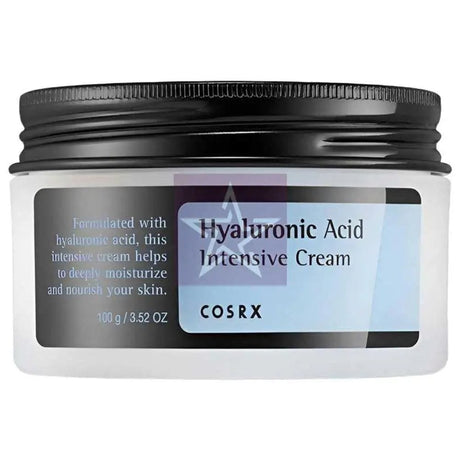
COSRX
COSRX Hyaluronzuur Intensieve Crème - 100 ml
Reguliere prijs €16.99Eenheid prijs€16.99 /100ml
Isntree
Isntree hyaluronzuur vochtinbrengende crème - 100 ml
Reguliere prijs €14.29Eenheid prijs€142.90 /l
 5% korting
HaruHaru Wonder
HaruHaru Wonder Zwarte Rijst 10 Hyaluron Creme - 50 ml
Verkoopprijs €12.70 Reguliere prijs €13.39Eenheid prijs€25.40 /100ml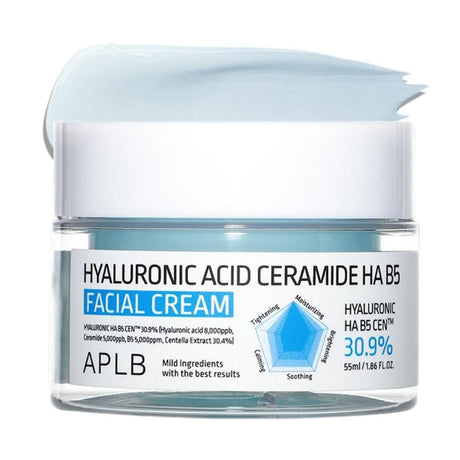


APLB
APLB Hydraterende crème met hyaluronzuur en ceramiden - 55 ml
Reguliere prijs €13.29Eenheid prijs€24.16 /100ml


Medicube
Medicube PDRN Pink Hyaluronic Moisturizing Cream - 50 ml
Reguliere prijs €17.79Eenheid prijs€35.58 /100ml


De rol van oliën bij het hydrateren van het gezicht
Gezichtsoliën zijn een ander krachtig hulpmiddel voor hydratatie, maar ze moeten zorgvuldig worden gekozen. Sommige oliën kunnen de poriën verstoppen en puistjes verergeren — vooral bij een vette of acnegevoelige huid. Bepaalde plantaardige oliën zijn echter niet-comedogeen en bieden uitstekende hydratatie zonder dit risico.
Frambozenzaadolie, bijvoorbeeld, werkt als een natuurlijke UV-filter, terwijl het tegelijkertijd de poriën verkleint en diepe hydratatie biedt. Squalane — een lichte olie afkomstig van planten — is een andere uitstekende optie die snel intrekt, geen vettig laagje achterlaat, en goed werkt voor alle huidtypes. Wanneer u gezichtsoliën en serums, koopt, controleer dan altijd of het product als niet-comedogeen is beoordeeld, vooral als u gevoelig bent voor puistjes.
Hoe zit het met gezichtscrème tijdens de zwangerschap?
Zwangerschap brengt aanzienlijke hormonale veranderingen met zich mee die direct invloed hebben op de huid. De gezichtshuid wordt gevoeliger voor allergenen, is vatbaarder voor hyperpigmentatie, en reageert vaak anders op producten die voorheen perfect werkten. De veiligste aanpak tijdens de zwangerschap is om hypoallergene gezichtscrèmes te kiezen met eenvoudige, bewezen ingrediënten.
Belangrijke, voor de zwangerschap veilige hydraterende ingrediënten zijn onder andere:
- Hyaluronzuur — diepe hydratatie zonder systemische opname
- Glycerine — een milde bevochtiger die vocht in de huid trekt
- Panthenol (provitamine B5) — kalmeert en ondersteunt de huidbarrière
- Allantoïne — kalmeert irritatie en bevordert de huidvernieuwing
UV-bescherming is vooral belangrijk tijdens de zwangerschap om melasma en donkere vlekken te voorkomen. Kies een gezichtscrème met ingebouwde SPF of breng een minerale zonnebrandcrème aan bovenop je vochtinbrengende crème voor dagelijkse bescherming.


d'Alba
d'Alba Milde Huidbalans Verzachtende Gezichtscrème met Witte Truffel - 55 ml
Reguliere prijs €22.69Eenheid prijs€41.25 /100ml

Dr.Althea
Dr. Althea 147 Barrier Voedende, Versterkende Gezichtscrème - 50 ml
Reguliere prijs €17.79Eenheid prijs€35.58 /100ml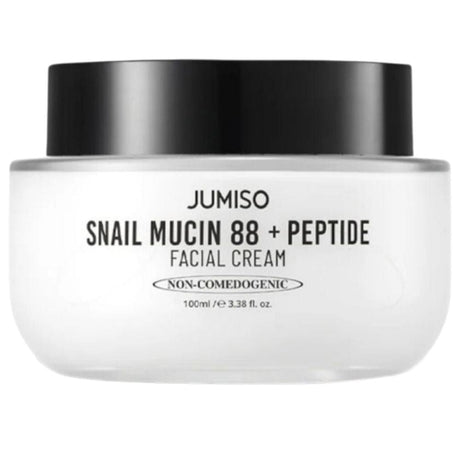


Jumiso
Jumiso Slak Mucine 88 + Peptide Gezichtscrème - 100 ml
Reguliere prijs €21.69Eenheid prijs€21.69 /100ml

S.Nature
S.Nature Aqua Squalane Hydraterende Gezichtscrème - 60 ml
Reguliere prijs €25.39Eenheid prijs€42.32 /100ml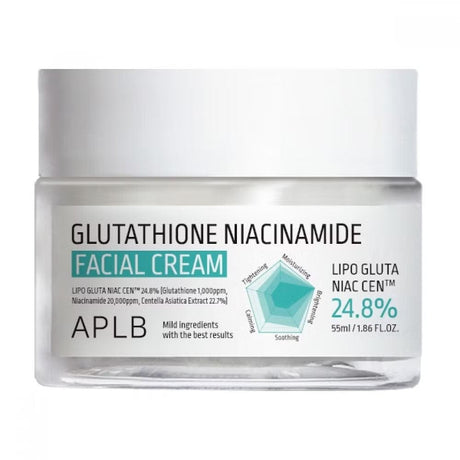


APLB
APLB Hydraterende Gezichtscrème met Glutathion en Niacinamide - 55 ml
Reguliere prijs €12.89Eenheid prijs€23.44 /100ml


Praktische tips voor het kiezen van uw gezichtscrème
Het vinden van de ideale gezichtscrème is een proces, geen eenmalige beslissing. Hier zijn een paar principes die u zullen helpen om er sneller te komen:
- Vermijd "one-size-fits-all" producten — crèmes met het label "voor alle huidtypes" leveren zelden optimale resultaten op voor een specifiek huidtype
- Pas je crème aan het seizoen aan — de behoeften van je huid veranderen tussen winter en zomer; in de koude maanden is wellicht een rijkere crème nodig, terwijl een lichtere gel beter werkt bij warm weer
- Lees de ingrediëntenlijst — vertrouw niet op marketingclaims; let op belangrijke werkzame stoffen zoals hyaluronzuur, ceramiden, of niacinamide
- Geef het de tijd — de meeste gezichtscrèmes moeten minstens 2–4 weken consequent worden gebruikt voordat je het effect eerlijk kunt beoordelen
- Let op je huid, niet op recensies — online recensies zijn nuttig, maar de reactie van je huid is de enige beoordeling die er echt toe doet
Belangrijkste conclusie: De perfecte gezichtscrème bestaat niet als universeel product — het is de crème die past bij jouw specifieke huidtype, huidproblemen, en levensstijl. Begin met te achterhalen of je huid droog, vettig, een combinatiehuid of gevoelig is. Geef prioriteit aan hydratatie met ingrediënten zoals hyaluronzuur. Vermijd agressieve synthetische stoffen als je gevoelig bent voor irritatie. En het allerbelangrijkste: observeer hoe je huid in de loop van de tijd reageert. Dat is het echte geheim van goede huidverzorging.
Dit artikel is uitsluitend informatief en vervangt geen medisch advies. Heb je gezondheidsklachten, ben je zwanger, geef je borstvoeding of gebruik je medicijnen, raadpleeg dan een arts of apotheker. Voedingssupplementen zijn geen vervanging voor een gevarieerd voedingspatroon.


