

Ginseng is een vrij bekende plant die in talloze supplementen en kruidenpreparaten voorkomt. Wat veel mensen zich echter niet realiseren, is dat ginseng verschillende soorten omvat. Een van de meest fascinerende is Ashwagandha — gewoonlijk aangeduid als Indiase ginseng. Dit kruid wordt al honderden, zelfs duizenden jaren gebruikt in het traditionele Indiase genezingssysteem dat bekend staat als Ayurveda, en heeft een enorme vlucht genomen in moderne wellnesskringen. Maar wat doet het eigenlijk en maakt het de hype waar? Wat is Ashwagandha? Ashwagandha heeft verschillende namen. U kunt het tegenkomen als Withania somnifera (, de Latijnse botanische naam), winterkers, of Indiase ginseng. Het behoort tot de nachtschadefamilie — dezelfde plantengroep als de bescheiden aardappel. De -wortel bevat de hoogste concentratie aan actieve stoffen, wat de reden is waarom supplementen op basis van de wortel het meest voorkomen. Echter, de bladeren en vruchten van de plant hebben ook toepassingen gevonden in de traditionele geneeskunde.
In India, waar ashwagandha vandaan komt, wordt vrijwel elk deel van de plant gebruikt om een breed scala aan gezondheidsproblemen aan te pakken. De plant zelf is herkenbaar aan zijn geel-groene bloemen en kleine rode of donkeroranje bessen. De verse wortel heeft een nogal scherpe geur — waaraan de naam eigenlijk te danken is. In het Sanskriet, betekent ashwagandha ruwweg "geur van een paard".
Hoewel wetenschappers de volledige reikwijdte van de effecten ervan blijven bestuderen en erover debatteren, wordt ashwagandha algemeen erkend als een waardevol kruidensupplement dat kan helpen bij het ondersteunen van het algehele welzijn.
Belangrijkste eigenschappen en voordelen
De belangrijkste bioactieve stoffen in ashwagandha worden withanoliden genoemd. Deze natuurlijk voorkomende stoffen staan centraal in het meeste wetenschappelijk onderzoek naar de plant en zijn verantwoordelijk voor de kenmerkende effecten ervan. Dit is wat de wetenschappelijke gegevens en het traditionele gebruik suggereren:
Stress, Slaap, en mentale helderheid
Dit is waar ashwagandha echt uitblinkt. In de ayurvedische praktijk, wordt het al lang gebruikt als een versterkend en stimulerend tonicum, vooral tijdens periodes van fysieke of mentale uitputting. Supplementen zijn vooral populair bij mensen die kampen met chronische stress, angst, of slaapstoornissen. Ashwagandha kan helpen een rustigere gemoedstoestand te bevorderen zonder slaperigheid overdag te veroorzaken, en wordt traditioneel geassocieerd met verbeterde concentratie en geheugen. Over het algemeen, lijkt het een breed positieve invloed te hebben op het zenuwstelsel.
Ondersteuning van het immuunsysteem
Ashwagandha kan ook bijdragen aan een gezonde immuunfunctie. In de traditionele Ayurvedische geneeskunde, wordt het gebruikt in de context van auto-immuunziekten en algemene immuunweerstand — hoewel modern klinisch onderzoek op dit gebied nog in ontwikkeling is.
Reproductieve gezondheid
Een van de meer uitgebreid bestudeerde gebieden is het effect van ashwagandha op de reproductieve functie. Onderzoek suggereert dat het de seksuele gezondheid bij zowel mannen als vrouwen kan ondersteunen, met mogelijke voordelen voor het libido, de hormonale balans, en de algehele vruchtbaarheid. Specifiek bij mannen, wijzen sommige studies erop dat het kan helpen bij het ondersteunen van het aantal zaadcellen, de beweeglijkheid, en de kwaliteit — waardoor het een populaire natuurlijke keuze is voor mensen die zich bezighouden met vruchtbaarheidsproblemen.
Andere gerapporteerde voordelen
- Kan een normale schildklierfunctie ondersteunen
- Wordt traditioneel geassocieerd met cardiovasculair welzijn
- Kan bijdragen aan spierkracht — steeds populairder onder sporters
- Gebruikt in de Ayurveda bij ademhalingsproblemen, waaronder seizoensgebonden allergieën
- Kan de gezondheid van de lever, alvleesklier, en nieren
Hoe u het juiste Ashwagandha-supplement kiest
Met zoveel ashwagandha-producten op de markt, varieert de kwaliteit aanzienlijk. Niet elk supplement levert dezelfde resultaten op. Hier zijn de belangrijkste factoren om rekening mee te houden:
Als u kiest voor tabletten of capsules, zoek dan naar een product met een withanolide-gehalte van ten minste 2,5% in het extract. Dit is de drempel die over het algemeen als effectief wordt beschouwd voor zinvolle suppletie. Voor degenen die de voorkeur geven aan een meer traditionele aanpak, kan verse ashwagandhawortel worden gezet als een afkooksel — laat de wortel gewoon enkele minuten onder een deksel trekken en drink de resulterende infusie.
In beide gevallen, is de gebruikelijke dosering een of twee keer per dag, afhankelijk van het product en de concentratie.
Wortel versus bladeren en bloemen — Waarom het ertoe doet
Dit is een belangrijk onderscheid dat veel consumenten over het hoofd zien. Extracten gemaakt van bladeren en bloemen bevatten doorgaans hogere concentraties withaferine A — een stof die, in grotere hoeveelheden, mogelijk minder goed door het lichaam wordt verdragen. Extracten op basis van wortels, bevatten daarentegen, aanzienlijk lagere concentraties van deze stof, waardoor ze over het algemeen veiliger zijn voor regelmatig gebruik.
De aanbeveling is duidelijk: geef de voorkeur aan ashwagandhaproducten op basis van wortels. Extracten van bladeren of bloemen mogen alleen worden overwogen als de fabrikant duidelijke, geverifieerde veiligheidsgegevens op de verpakking vermeldt.
KSM-66 Ashwagandha — De gouden standaard
KSM-66 is een gepatenteerd, gestandaardiseerd ashwagandha-extract dat uitsluitend uit de wortel wordt gewonnen. Het wordt algemeen beschouwd als een van de hoogste kwaliteitsvormen die op de markt verkrijgbaar zijn. Wat het onderscheidt, is het uitstekende veiligheidsprofiel — het gehalte aan withaferine A is extreem laag, bijna verwaarloosbaar. Het extractieproces maakt geen gebruik van alcohol of synthetische chemicaliën, maar vertrouwt in plaats daarvan op een traditionele methode op basis van melk, verfijnd door 14 jaar onderzoek.
KSM-66 is de vorm die het meest wordt gebruikt in klinische studies, wat extra vertrouwen geeft aan consumenten. Als u op zoek bent naar een betrouwbaar ashwagandha-supplement, is KSM-66 een uitstekend startpunt.
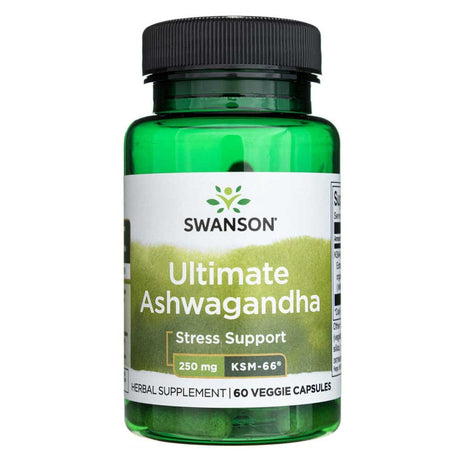


Swanson
Swanson Ultimate Ashwagandha KSM-66 250 mg - 60 plantaardige capsules
Reguliere prijs €8.89Eenheid prijs€0.15 per stuk
Kenay
Kenay KSM-66 Ashwagandha ® BIO - 60 Capsules
Reguliere prijs €10.39Eenheid prijs€0.17 per stuk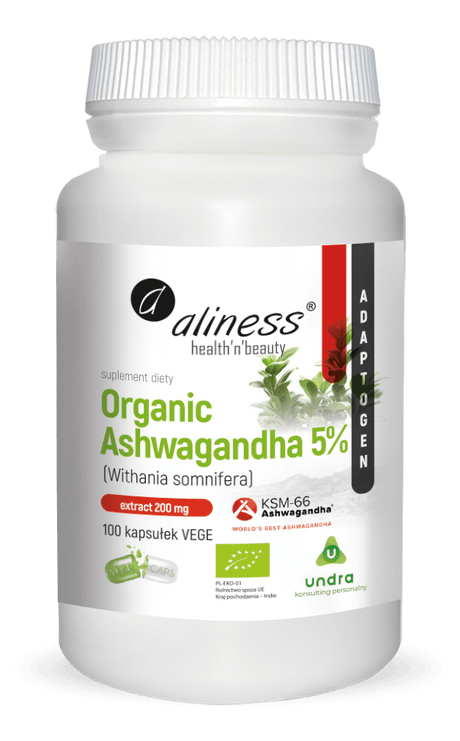
Aliness
Allines Organische Ashwagandha 5% KSM-66 200 mg - 100 Capsules
Reguliere prijs €13.69Eenheid prijs€0.14 per stuk


Sensoril Ashwagandha — Een geconcentreerd alternatief
Sensoril is een andere gepatenteerde, en goed onderzochte vorm van ashwagandha. In tegenstelling tot KSM-66, maakt het gebruik van een -mengsel van zowel wortel- als bladextracten, wat resulteert in een sterk geconcentreerd product met een withanolide-gehalte tot 10%. Ondanks de toevoeging van bladmateriaal, is het potentieel schadelijke withaferine A slechts 0,5%, waardoor het supplement ruim binnen de veilige parameters blijft.
De hogere withanolide-concentratie van Sensoril maakt het wellicht een goede optie voor wie op zoek is naar een krachtigere formule, terwijl het veiligheidsprofiel ervan is gevalideerd door middel van klinische tests.
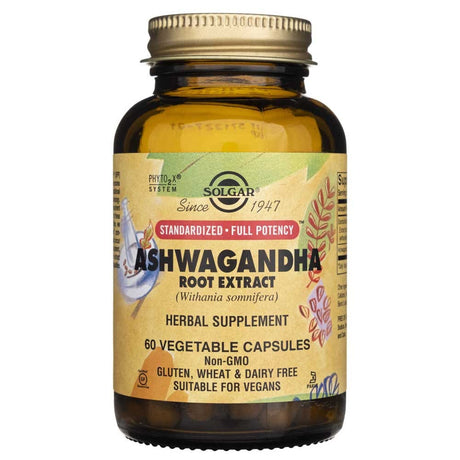


 25% korting
Solgar
Solgar SFP Ashwagandha Wortel Extract - 60 plantaardige capsules
Verkoopprijs €19.31 Reguliere prijs €25.79Eenheid prijs€0.32 per stuk

Life Extension
Life Extension Geoptimaliseerd Ashwagandha-extract - 60 plantaardige capsules
Reguliere prijs €13.69Eenheid prijs€0.23 per stuk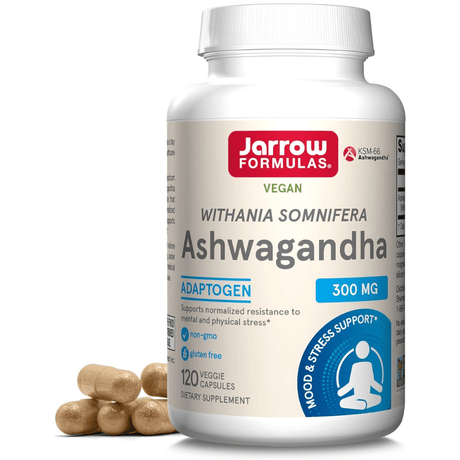


Jarrow Formulas
Jarrow Formulas Ashwagandha 300 mg - 120 plantaardige capsules
Reguliere prijs €27.09Eenheid prijs€0.23 per stuk


Hepatica
Hepatica Ashwagandha (Indiase ginseng) - 90 Capsules
Reguliere prijs €7.59Eenheid prijs€0.08 per stuk


Vitaler's
Vitaler's Ashwagandha 9% 600 mg - 60 Capsules
Reguliere prijs €7.59Eenheid prijs€0.13 per stuk


De juiste keuze vinden
Of u nu ashwagandha gebruikt voor stressbeheersing, een betere slaap, ondersteuning van het immuunsysteem, of reproductieve gezondheid, het belangrijkste is dat u een kwaliteitsproduct kiest met een geverifieerd withanolide-gehalte en een duidelijke herkomst — op basis van de wortel voor dagelijkse veiligheid, of een goed geteste mix zoals Sensoril voor een hogere potentie.
Ontdek onze volledige collectie kruidensupplementen voor ashwagandha en andere adaptogene kruiden. Als stress en slaapkwaliteit uw belangrijkste zorgen zijn, kunt u wellicht ook baat hebben bij onze slaapondersteunende en energiesupplementen categorieën.
Belangrijkste conclusie: Ashwagandha is veel meer dan een wellness-trend. Gesteund door eeuwenoude Ayurvedische traditie en een groeiend aantal moderne onderzoeken, kan dit adaptogene kruid de stressbestendigheid, slaapkwaliteit, immuunfunctie, en reproductieve gezondheid ondersteunen. Kies voor extracten op basis van de wortel, zoals KSM-66, of geteste mengsels zoals Sensoril voor de beste balans tussen werkzaamheid en veiligheid.
Dit artikel is uitsluitend informatief en vervangt geen medisch advies. Heb je gezondheidsklachten, ben je zwanger, geef je borstvoeding of gebruik je medicijnen, raadpleeg dan een arts of apotheker. Voedingssupplementen zijn geen vervanging voor een gevarieerd voedingspatroon.


