

Vitamine C, ook bekend als ascorbinezuur, staat vooral bekend als een belangrijk ingrediënt in middelen tegen verkoudheid en supplementen die het immuunsysteem versterken. Het is doorgaans de eerste vitamine waar mensen naar grijpen als de herfst aanbreekt en het risico op infecties toeneemt. Het zou echter een grote oversimplificatie zijn om vitamine C uitsluitend te reduceren tot zijn rol in de immuniteit. Ascorbinezuur is betrokken bij tientallen biochemische processen — van collageensynthese en ijzeropname tot antioxidantafweer en de productie van neurotransmitters. Inzicht in wat ascorbinezuur werkelijk is, hoe het werkt en hoe je het op de juiste manier kunt innemen, kan een groot verschil maken voor je dagelijkse gezondheid.
Wat is ascorbinezuur?
Ascorbinezuur is de chemische naam voor vitamine C — een in water oplosbare organische verbinding met de molecuulformule C₆H₈O₆. In tegenstelling tot de meeste zoogdieren, kunnen mensen vitamine C niet intern aanmaken vanwege een genetische mutatie die het enzym (L-gulonolactonoxidase), dat nodig is voor de productie ervan, heeft gedeactiveerd. Dit betekent dat elke milligram vitamine C die het lichaam nodig heeft, uit externe bronnen moet komen — hetzij via voeding, hetzij via supplementen.
Omdat ascorbinezuur in water oplosbaar is, slaat het lichaam het niet in significante hoeveelheden op. Overtollige vitamine C wordt relatief snel via de nieren uitgescheiden, daarom is regelmatige, consistente inname veel belangrijker dan incidentele hoge doses. Deze eigenschap betekent ook dat vergiftiging door vitamine C uiterst zeldzaam is, hoewel buitensporig hoge doses nog steeds ongewenste effecten kunnen veroorzaken.
Belangrijkste eigenschappen en functies van ascorbinezuur
Vitamine C is een van de meest veelzijdige voedingsstoffen in de menselijke biochemie. De betrokkenheid ervan bij de lichaamsprocessen is opmerkelijk breed, en reikt veel verder dan het immuunsysteem.
Ondersteuning van het immuunsysteem
De meest algemeen erkende rol van ascorbinezuur is de bijdrage aan de normale werking van het immuunsysteem. Vitamine C ondersteunt zowel de aangeboren als de adaptieve immuniteit. Het stimuleert de productie en functie van witte bloedcellen (leukocyten), verbetert het vermogen van fagocyten om ziekteverwekkers te neutraliseren, en hoopt zich op in immuuncellen, waar het snel wordt verbruikt tijdens infecties. Dit is de reden waarom de behoefte aan vitamine C kan toenemen tijdens periodes van ziekte of hoge fysieke belasting.
Krachtige antioxidantwerking
Als een van de belangrijkste in water oplosbare antioxidanten, neutraliseert ascorbinezuur vrije radicalen — zeer reactieve moleculen die celstructuren beschadigen en bijdragen aan vroegtijdige veroudering, ontstekingen, en chronische ziekten. Vitamine C regenereert ook andere antioxidanten in het lichaam, met name vitamine E, en 'recycleert' deze in feite terug naar hun actieve vorm. Dit samenwerkende netwerk van antioxidanten maakt vitamine C tot een hoeksteen van de afweer van het lichaam tegen oxidatieve stress.
Collageensynthese
Ascorbinezuur is absoluut essentieel voor de synthese van collageen — het meest voorkomende structurele eiwit in het menselijk lichaam. Collageen is een belangrijk bestanddeel van de huid, pezen, ligamenten, kraakbeen, bloedvaten, en botten. Zonder voldoende vitamine C, wordt de collageenproductie belemmerd, wat leidt tot verzwakt bindweefsel, trage wondgenezing, en — in ernstige gevallen — bloedend tandvlees en gewrichtspijn, kenmerkend voor scheurbuik.
IJzeropname
Vitamine C verbetert de opname van niet-heemijzer aanzienlijk — de vorm van ijzer die voorkomt in plantaardige voedingsmiddelen en supplementen. Het zet ijzer in de darmen om in een beter opneembare vorm, waardoor de opname twee tot drie keer zo hoog kan zijn. Dit maakt vitamine C bijzonder belangrijk voor vegetariërs, veganisten, en iedereen die risico loopt op ijzertekort.
Aanvullende functies
Naast deze kernfuncties, is ascorbinezuur betrokken bij de synthese van neurotransmitters (, waaronder serotonine, noradrenaline, en dopamine), ondersteunt een normaal energieleverend metabolisme, draagt bij aan de vermindering van vermoeidheid en uitputting, en helpt cellen te beschermen tegen oxidatieve stress. Het speelt ook een rol bij het behoud van de normale functie van bloedvaten en draagt bij aan een gezond uiterlijk van de huid door de vorming van collageen voor een normale huidfunctie te ondersteunen.
Vormen van vitamine C in supplementen
Niet alle vitamine C-supplementen zijn identiek. De vorm van ascorbinezuur die in een product wordt gebruikt, kan de opname, verdraagbaarheid, en geschiktheid voor verschillende personen beïnvloeden.
- Zuiver ascorbinezuur — de meest voorkomende en meest onderzochte vorm, wordt goed opgenomen en is kosteneffectief. Het is echter, zuur en kan bij gevoelige personen, spijsverteringsklachten veroorzaken, vooral bij hogere doseringen.
- Gebufferde vitamine C (calcium- of natriumascorbaat) — ascorbinezuur gecombineerd met een mineraal om de zuurgraad te verminderen. Het is milder voor de maag, waardoor het een betere optie is voor mensen met een gevoelige spijsvertering of voor mensen die hogere doses innemen. Ester-C — een gepatenteerde, niet-zure vorm van vitamine C die calciumascorbaat en vitamine C-metabolieten bevat. Sommige studies suggereren een verbeterde opname in witte bloedcellen in vergelijking met standaard ascorbinezuur.
- Ascorbylpalmitaat — een in vet oplosbare vorm van vitamine C die zich kan integreren in celmembranen, en een aanvullende beschermende rol biedt naast de in water oplosbare vormen.
- Liposomale vitamine C — ingekapseld in fosfolipide liposomen die de vitamine beschermen tijdens de passage door het spijsverteringskanaal en de opname aanzienlijk kunnen verbeteren. Wordt vaak beschouwd als de best opneembare orale vorm, hoewel deze doorgaans duurder is.
- Natuurlijke vitamine C (acerola, rozenbottel, camu-camu) — gewonnen uit vitamine C-rijke vruchten, deze vormen bevatten van nature voorkomende bioflavonoïden en co-factoren die de opname en werking kunnen verbeteren.
Dosering van ascorbinezuur
De Europese Autoriteit voor voedselveiligheid (EFSA) stelt de referentiewaarde voor voedingsstoffen (NRV) voor vitamine C vast op 80 mg per dag voor volwassenen. Dit is echter, het minimum om een tekort te voorkomen — niet de hoeveelheid die nodig is voor een optimale gezondheid. Veel voedingsdeskundigen en onderzoekers suggereren dat een dagelijkse inname van 500–1000 mg een betere ondersteuning biedt voor de immuunfunctie, de bescherming door antioxidanten, en de collageensynthese.
De dosering moet mogelijk worden aangepast op basis van individuele omstandigheden:
- Algemeen dagelijks onderhoud — 200–500 mg per dag is voldoende voor de meeste gezonde volwassenen
- Ondersteuning van het immuunsysteem tijdens de herfst/winter — 500–1000 mg per dag, idealiter verdeeld over twee doses voor een betere opname
- Tijdens ziekte of hoge fysieke belasting — tot 1000–2000 mg per dag, verdeeld over meerdere kleinere doses gedurende de dag
- Rokers — hebben ongeveer 35 mg per dag meer nodig dan niet-rokers vanwege verhoogde oxidatieve stress
Omdat vitamine C in water oplosbaar is, is het verdelen van de dagelijkse dosis in twee of drie kleinere porties effectiever dan het innemen van één grote dosis. Het lichaam kan slechts een beperkte hoeveelheid per keer opnemen — het overschot wordt gewoon uitgescheiden. Formules met vertraagde afgifte kunnen helpen om de bloedspiegels gedurende de dag stabieler te houden.
Contra-indicaties en voorzorgsmaatregelen
Vitamine C wordt over het algemeen als zeer veilig en goed verdraagbaar beschouwd. Er zijn echter, verschillende situaties waarin voorzichtigheid geboden is.
Gevoeligheid van het spijsverteringsstelsel
Standaard ascorbinezuur is zuur, en doses boven 1000 mg kunnen bij sommige mensen spijsverteringsklachten veroorzaken — waaronder misselijkheid, brandend maagzuur, maagkrampen, of diarree. Als u deze symptomen ervaart, lost het overschakelen op een gebufferde vorm (calciumascorbaat) of Ester-C het probleem doorgaans op. Liposomale vitamine C is een ander mild alternatief.
Nierstenen
Suppletie met hoge doses vitamine C (, doorgaans meer dan 2000 mg per dag gedurende langere tijd), kan het risico op oxalaatnierstenen verhogen bij personen die daar vatbaar voor zijn. Als u een voorgeschiedenis heeft van nierstenen of een nierziekte, raadpleeg dan uw arts voordat u hoge doses vitamine C inneemt.
Aandoeningen met ijzerstapeling
Omdat vitamine C de ijzeropname bevordert, moeten personen met hemochromatose of andere aandoeningen met ijzerstapeling voorzichtig zijn met hoge doses vitamine C-supplementen, aangezien dit kan bijdragen aan overmatige ijzerophoping.
Interacties met medicijnen
Vitamine C kan een wisselwerking hebben met bepaalde medicijnen, waaronder bloedverdunners (warfarine), chemotherapie-medicijnen, statines, en aluminium-houdende maagzuurremmers. Als u langdurig medicatie gebruikt, is het raadzaam om vitamine C-suppletie te bespreken met uw zorgverlener.
Het kiezen van het juiste vitamine C-supplement
Met zoveel opties op de markt, hangt het kiezen van het juiste vitamine C-product af van uw individuele behoeften, budget, en spijsverteringstolerantie. Hier zijn de belangrijkste overwegingen:
Voor algemene dagelijkse suppletie — is een standaardtablet of -capsule met 500–1000 mg ascorbinezuur van een gerenommeerd merk de meest praktische en kosteneffectieve keuze. Producten die vitamine C combineren met bioflavonoïden of rozenbottelextract kunnen een betere opname bieden.
Voor gevoelige magen — gebufferde vitamine C (calciumascorbaat) of Ester-C biedt dezelfde voordelen zonder de zuurgraad. Deze worden met name aanbevolen voor langdurige, suppletie met hogere doseringen.
Voor maximale opname — liposomale vitamine C biedt de hoogste biologische beschikbaarheid van alle orale vormen, waardoor het ideaal is voor mensen die het maximale uit elke dosis willen halen.
Voor langdurige afgifte — tabletten met vertraagde afgifte zorgen voor een geleidelijke afgifte van vitamine C gedurende enkele uren, waardoor de bloedspiegels constanter blijven en verspilling door uitscheiding wordt verminderd.
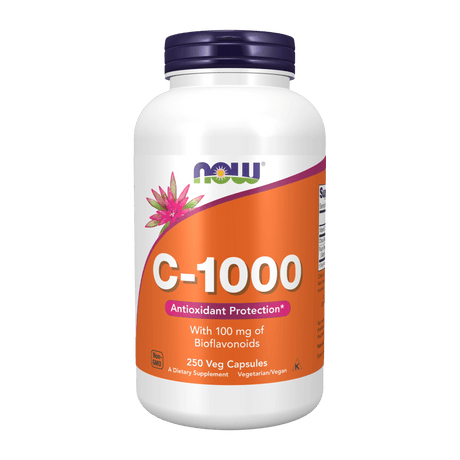
Now Foods
Now Foods Vitamine C-1000 met bioflavonoïden - 250 plantaardige capsules
Reguliere prijs €22.99Eenheid prijs€0.09 per stuk
 5% korting
Life Extension
Life Extension Vitamine C en Bio-Quercetine fytosoom - 250 tabletten
Verkoopprijs €32.47 Reguliere prijs €34.19Eenheid prijs€0.13 per stuk


Aliness
Aliness Liposol™ Liposomale vitamine C 1000 mg - 40 zakjes
Reguliere prijs €17.99Eenheid prijs€0.45 per stuk


Now Foods
Now Foods Vitamine C-1000 met verlengde afgifte - 250 tabletten
Reguliere prijs €22.69Eenheid prijs€0.09 per stuk


Swanson
Swanson Vitamine C met Rozenbottels 1000 mg - 250 Capsules
Reguliere prijs €15.79Eenheid prijs€0.06 per stuk


Bekijk het volledige assortiment in onze vitamine C-collectie, of blader door onze bredere vitaminecategorie voor aanvullende supplementen.
Belangrijkste conclusie: Ascorbinezuur is veel meer dan alleen een immuunversterker — het is een essentiële voedingsstof die betrokken is bij de collageensynthese, de afweer tegen oxidatie, de ijzeropname, en het energiemetabolisme. Omdat het lichaam het niet zelf kan aanmaken of opslaan, is regelmatige dagelijkse inname via voeding en supplementen essentieel. Kies de vorm die het beste past bij uw spijsvertering en opnamebehoeften, streef naar 500–1000 mg per dag voor optimale ondersteuning, en verdeel uw dosis voor het meest efficiënte gebruik. Kwaliteit is belangrijk — investeer in een goed samengesteld product van een vertrouwd merk.
Dit artikel is uitsluitend informatief en vervangt geen medisch advies. Heb je gezondheidsklachten, ben je zwanger, geef je borstvoeding of gebruik je medicijnen, raadpleeg dan een arts of apotheker. Voedingssupplementen zijn geen vervanging voor een gevarieerd voedingspatroon.


